

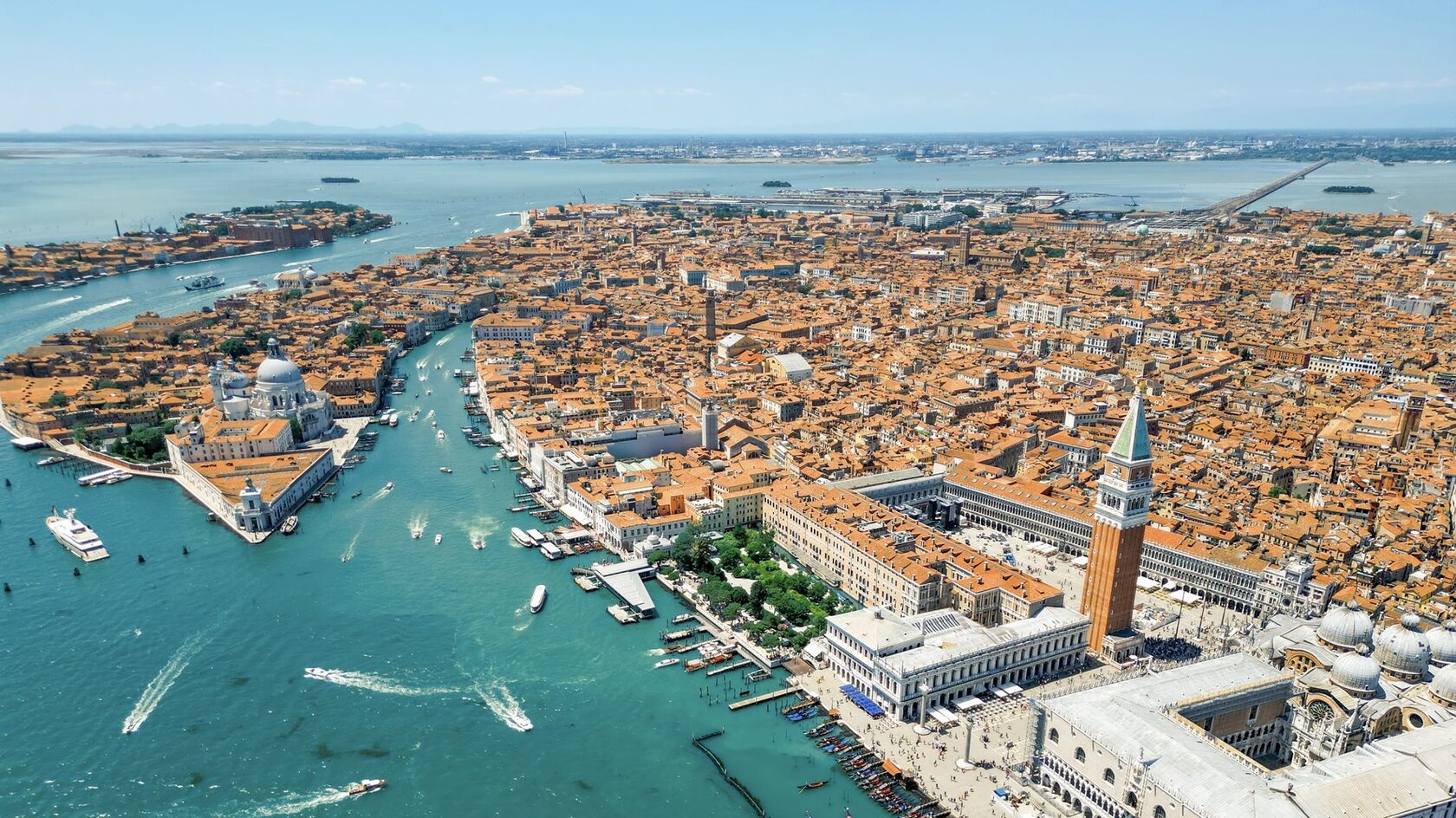
There are cities built around rivers, cities built beside the sea, and then there is Venice — apparently built directly on top of the water because somebody looked at a perfectly good piece of mainland and decided that would be too easy.
The clichés turn out to be annoyingly accurate. Yes, there are gondolas. Yes, the light really does bounce off the canals in that particular golden way. Yes, getting lost is considerably more enjoyable than following Google Maps. And yes, Venice can be crowded, expensive, occasionally smelly and frustrating. Somehow, none of this ruins it.
The old city sits across more than 100 islands in the Venetian Lagoon, connected by hundreds of bridges and separated by canals that function much like streets elsewhere. Ambulances are boats. Deliveries arrive by boat. Waste leaves by boat. The police have boats. Even moving house becomes a small maritime operation.
And there was a reason for choosing somewhere so impractical. As the Western Roman Empire collapsed in the fifth and sixth centuries, people from the surrounding mainland increasingly sought refuge among the lagoon’s islands from invasions and instability. The shallow water, mudflats, and confusing channels that made the area terrible for building also made it remarkably difficult for an invading army to reach.
The clichés turn out to be annoyingly accurate. Yes, there are gondolas. Yes, the light really does bounce off the canals in that particular golden way. Yes, getting lost is considerably more enjoyable than following Google Maps. And yes, Venice can be crowded, expensive, occasionally smelly and frustrating. Somehow, none of this ruins it.
The old city sits across more than 100 islands in the Venetian Lagoon, connected by hundreds of bridges and separated by canals that function much like streets elsewhere. Ambulances are boats. Deliveries arrive by boat. Waste leaves by boat. The police have boats. Even moving house becomes a small maritime operation.
And there was a reason for choosing somewhere so impractical. As the Western Roman Empire collapsed in the fifth and sixth centuries, people from the surrounding mainland increasingly sought refuge among the lagoon’s islands from invasions and instability. The shallow water, mudflats, and confusing channels that made the area terrible for building also made it remarkably difficult for an invading army to reach.
Geography gradually became independence. Protected by the lagoon and increasingly oriented towards the sea, Venice developed into a powerful maritime republic with an unusual degree of autonomy from the powers surrounding it: the water was its defensive wall, its highway, and ultimately the foundation of its wealth.
Today, all of that is relevant as ever. The absence of cars does something unexpected to your sense of scale. Venice is intensely walkable, but never particularly straightforward. A destination 300 metres away might require three bridges, a narrow passage, a wrong turn into a courtyard and the eventual admission that you have absolutely no idea where you are. This is normal. In fact, it may be the correct way to experience the city.
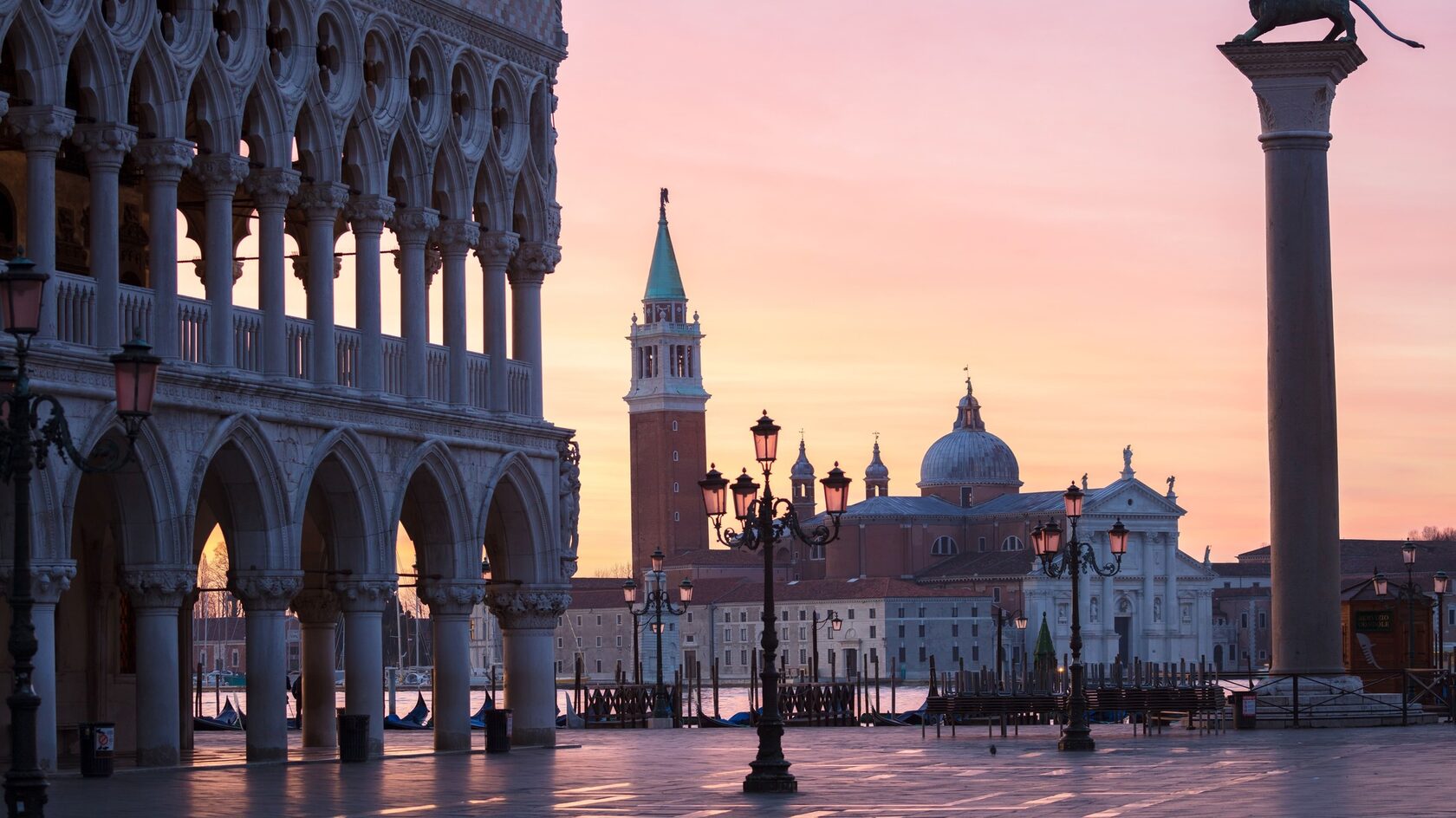
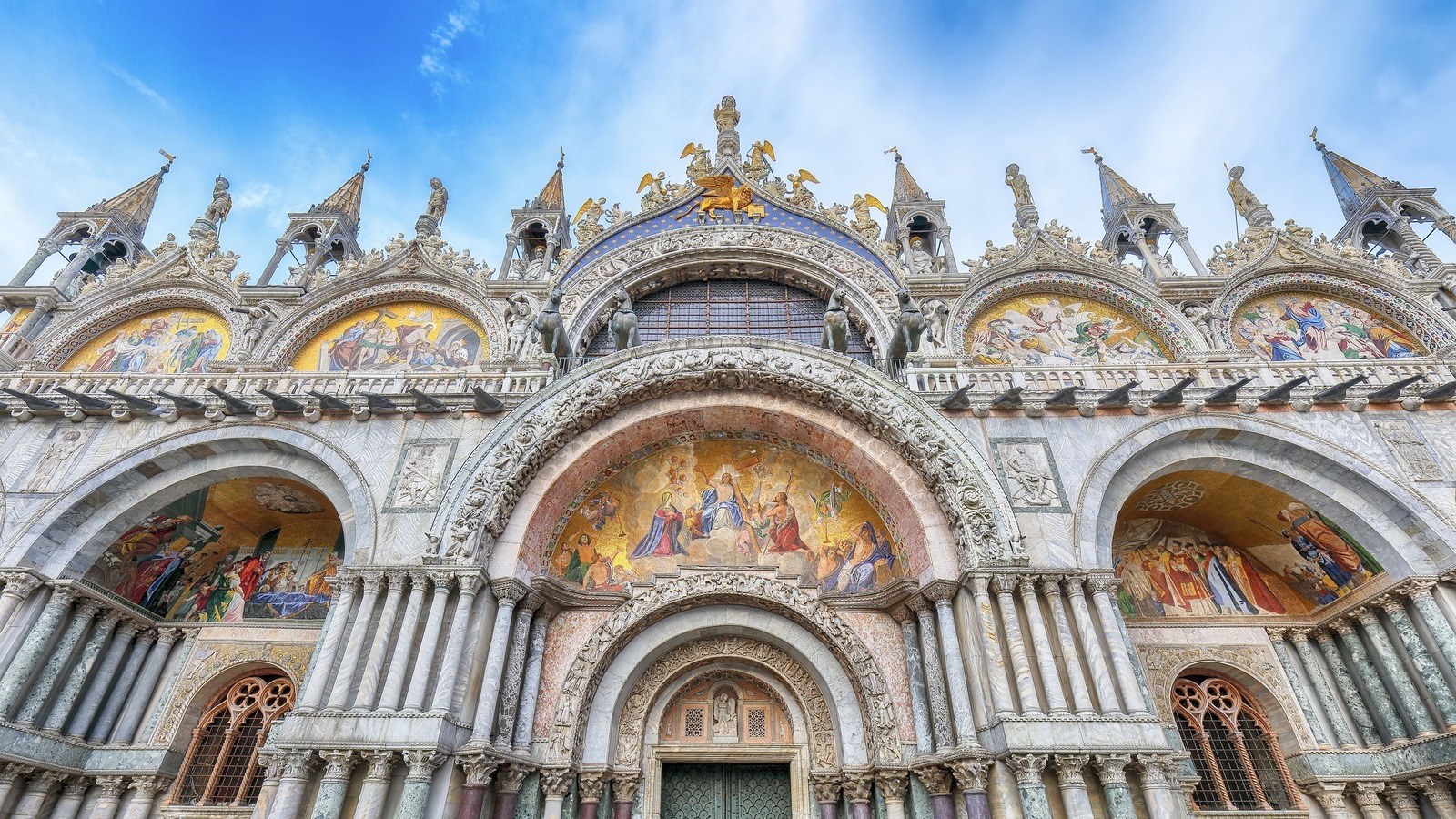
Eventually, everyone reaches Piazza San Marco. Napoleon is often credited with calling it ‘the drawing room of Europe,’ although, like many excellent historical quotes, the attribution is questionable. The description works anyway. St Mark’s Basilica brings Byzantine domes, mosaics and centuries of accumulated decoration to one side; the Doge’s Palace brings Venetian Gothic drama to another; cafés occupy the arcades; and the Campanile rises above everything with the kind of view that immediately explains why Venice became so powerful.
Today, all of that is relevant as ever. The absence of cars does something unexpected to your sense of scale. Venice is intensely walkable, but never particularly straightforward. A destination 300 metres away might require three bridges, a narrow passage, a wrong turn into a courtyard and the eventual admission that you have absolutely no idea where you are. This is normal. In fact, it may be the correct way to experience the city.
Eventually, everyone reaches Piazza San Marco. Napoleon is often credited with calling it ‘the drawing room of Europe,’ although, like many excellent historical quotes, the attribution is questionable. The description works anyway. St Mark’s Basilica brings Byzantine domes, mosaics and centuries of accumulated decoration to one side; the Doge’s Palace brings Venetian Gothic drama to another; cafés occupy the arcades; and the Campanile rises above everything with the kind of view that immediately explains why Venice became so powerful.
For centuries, the Republic of Venice controlled an enormous maritime trading network stretching across the Mediterranean and towards Asia. Spices, silk, grain, precious materials and ideas moved through its ports. Venetian merchants became extraordinarily wealthy, its shipyards became among the most sophisticated industrial operations in Europe, and the city developed a political system that survived for more than a thousand years. The beautiful palazzi lining the Grand Canal were not simply extravagant homes. They were the headquarters of families whose fortunes depended on international trade.
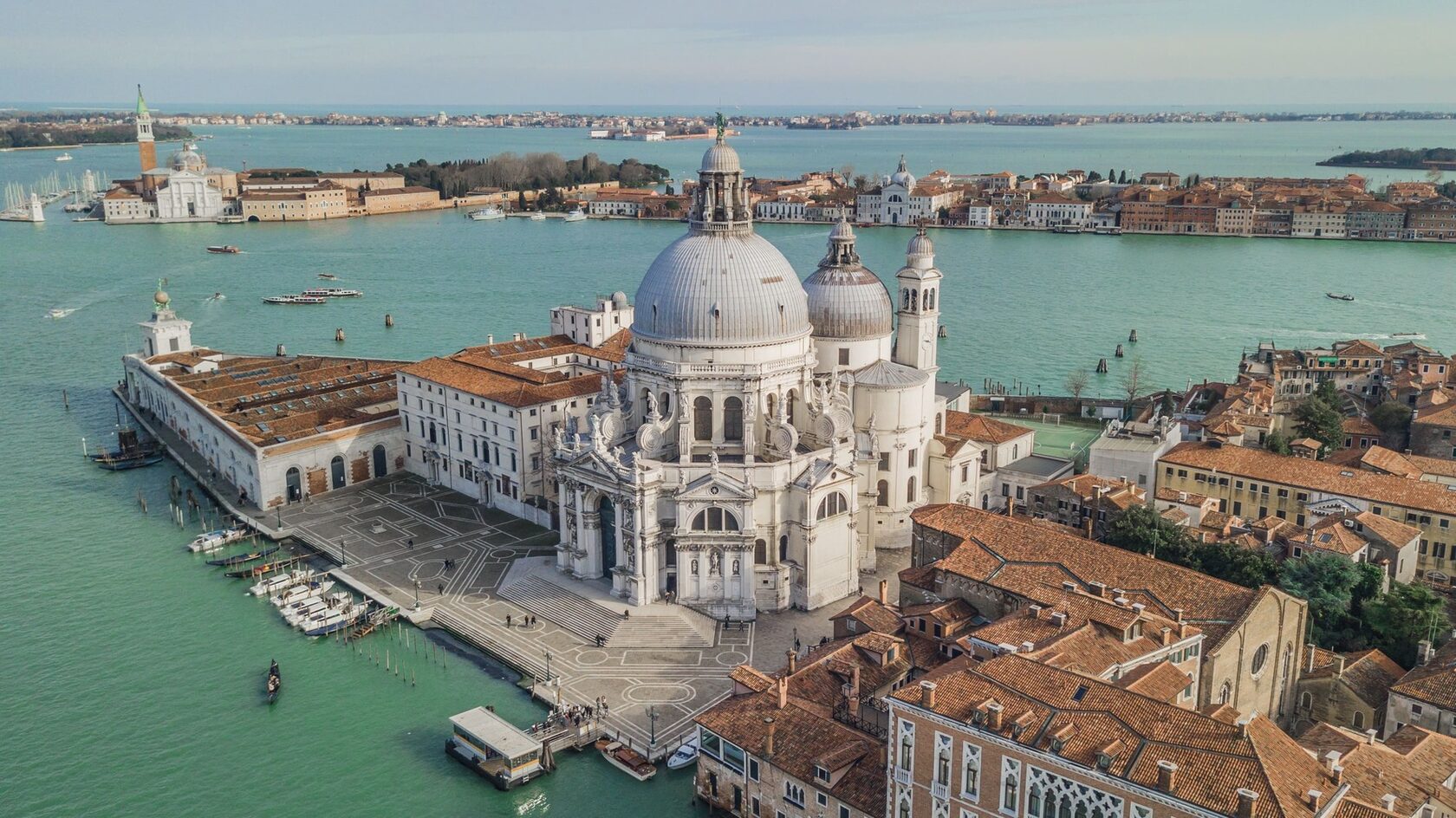
That history is still visible if you take Vaporetto Line 1 down the Grand Canal. This may also be the best-value sightseeing tour in Italy. It moves slowly past Ca’ d’Oro, the Rialto Bridge, domes, hotels and palaces whose front doors open directly onto the water. Grab a seat outside if you can and resist the temptation to treat the vaporetto purely as transport.
Then walk away from San Marco. This is where Venice becomes much easier to love. Cannaregio has neighbourhood bars and stretches of canal where actual residents still go about their day. Castello becomes increasingly residential the further you move from the major sights. Dorsoduro combines galleries and grand architecture with university life and late-afternoon aperitivo. Cross a bridge, turn twice, and the crowds can disappear with surprising speed.
That history is still visible if you take Vaporetto Line 1 down the Grand Canal. This may also be the best-value sightseeing tour in Italy. It moves slowly past Ca’ d’Oro, the Rialto Bridge, domes, hotels and palaces whose front doors open directly onto the water. Grab a seat outside if you can and resist the temptation to treat the vaporetto purely as transport.
Then walk away from San Marco. This is where Venice becomes much easier to love. Cannaregio has neighbourhood bars and stretches of canal where actual residents still go about their day. Castello becomes increasingly residential the further you move from the major sights. Dorsoduro combines galleries and grand architecture with university life and late-afternoon aperitivo. Cross a bridge, turn twice, and the crowds can disappear with surprising speed.
The lagoon deserves its own day. Murano is famous for glassmaking, a tradition that has been concentrated on the island since the Middle Ages. Burano appears almost aggressively cheerful, its houses painted in colours bright enough to make even Venice look restrained. Torcello is the opposite: sparse, green and remarkably quiet, with an ancient cathedral reminding you that important settlements existed out here long before modern Venice became the main event.
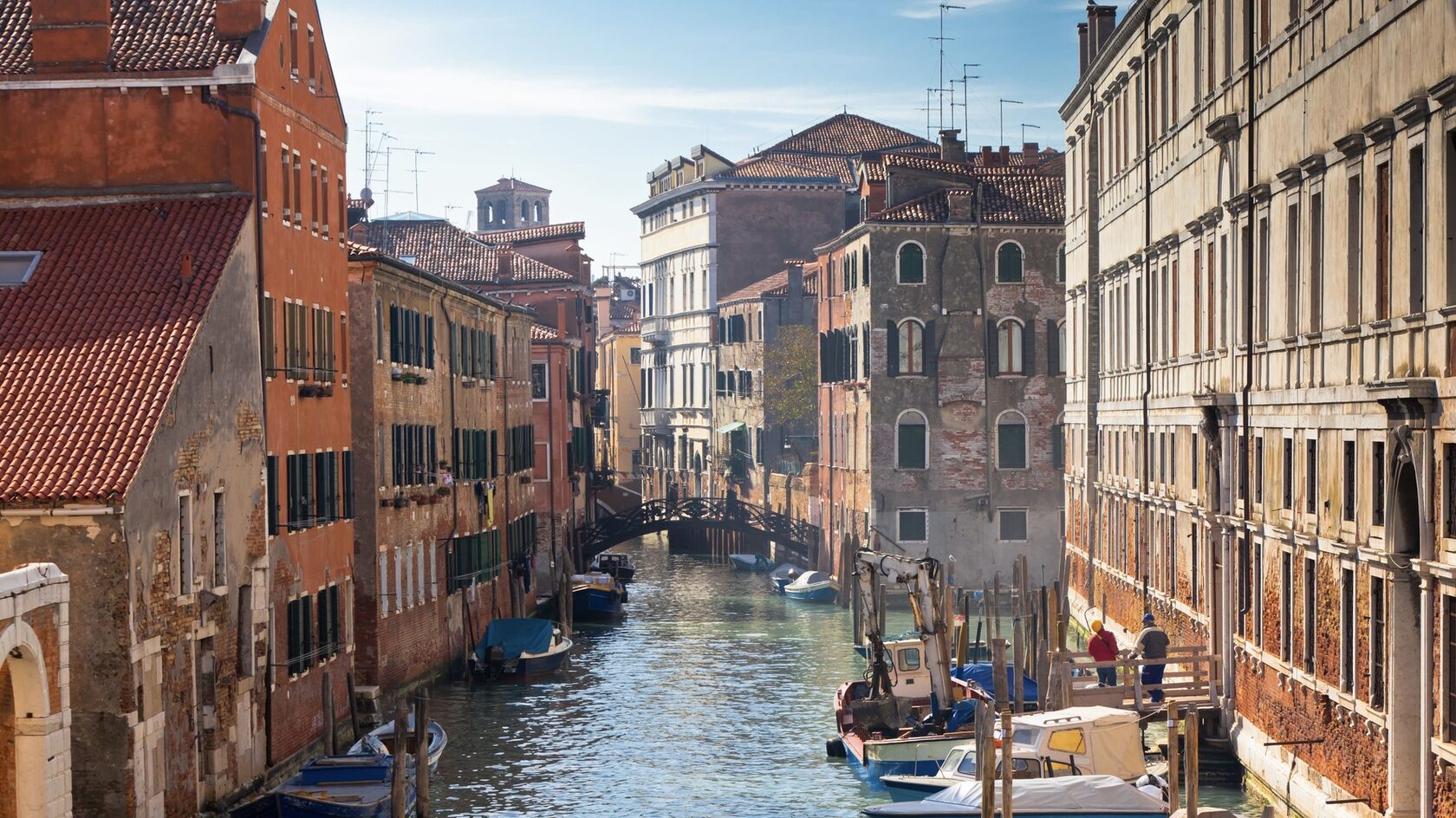
And then there are the gondolas. They are expensive. They are touristy. You should probably take one anyway. A gondola can enter waterways that larger boats cannot, slipping through narrow residential canals where façades rise directly from the water and conversations echo between buildings. From down there, Venice makes architectural sense in a different way. Houses were designed to face the canals because the canals were the roads.
And then there are the gondolas. They are expensive. They are touristy. You should probably take one anyway. A gondola can enter waterways that larger boats cannot, slipping through narrow residential canals where façades rise directly from the water and conversations echo between buildings. From down there, Venice makes architectural sense in a different way. Houses were designed to face the canals because the canals were the roads.
Venice’s greatest problem, of course, is that everyone else wants to see it too. The city has struggled for years with overtourism, declining resident numbers, cruise traffic and the physical vulnerability of the lagoon. Authorities have introduced an access fee on selected busy days for certain day visitors, while major cruise ships have been diverted away from the historic centre. The MOSE flood-barrier system now protects the lagoon during particularly high tides. Venice is simultaneously preserving a living city and managing one of the world’s most desired destinations.
That tension is worth remembering. People still live above those postcard canals. Children go to school by vaporetto. Groceries have to cross bridges. Buildings require constant maintenance because salt water is extraordinarily good at destroying almost everything humans build. And in some sense, Venice is so beautiful precisely because something this improbable has survived at all.
That tension is worth remembering. People still live above those postcard canals. Children go to school by vaporetto. Groceries have to cross bridges. Buildings require constant maintenance because salt water is extraordinarily good at destroying almost everything humans build. And in some sense, Venice is so beautiful precisely because something this improbable has survived at all.