

For many Dubai residents, Ras Al Khaimah begins as a weekend plan. A shorter drive than people expect, a quieter atmosphere than they are used to, and the vague promise of mountains somewhere ahead. But the moment the landscape starts changing, it becomes clear that this part of the UAE operates on a completely different rhythm.
Ras Al Khaimah sits at the northern edge of the country, bordering Oman and stretching between the Arabian Gulf and the Hajar mountain range. Unlike the more vertical image many people associate with the UAE, this emirate is all mountains, coastline, desert, and open space. It is one of the few places in the country where nature itself becomes the main attraction rather than simply the background.
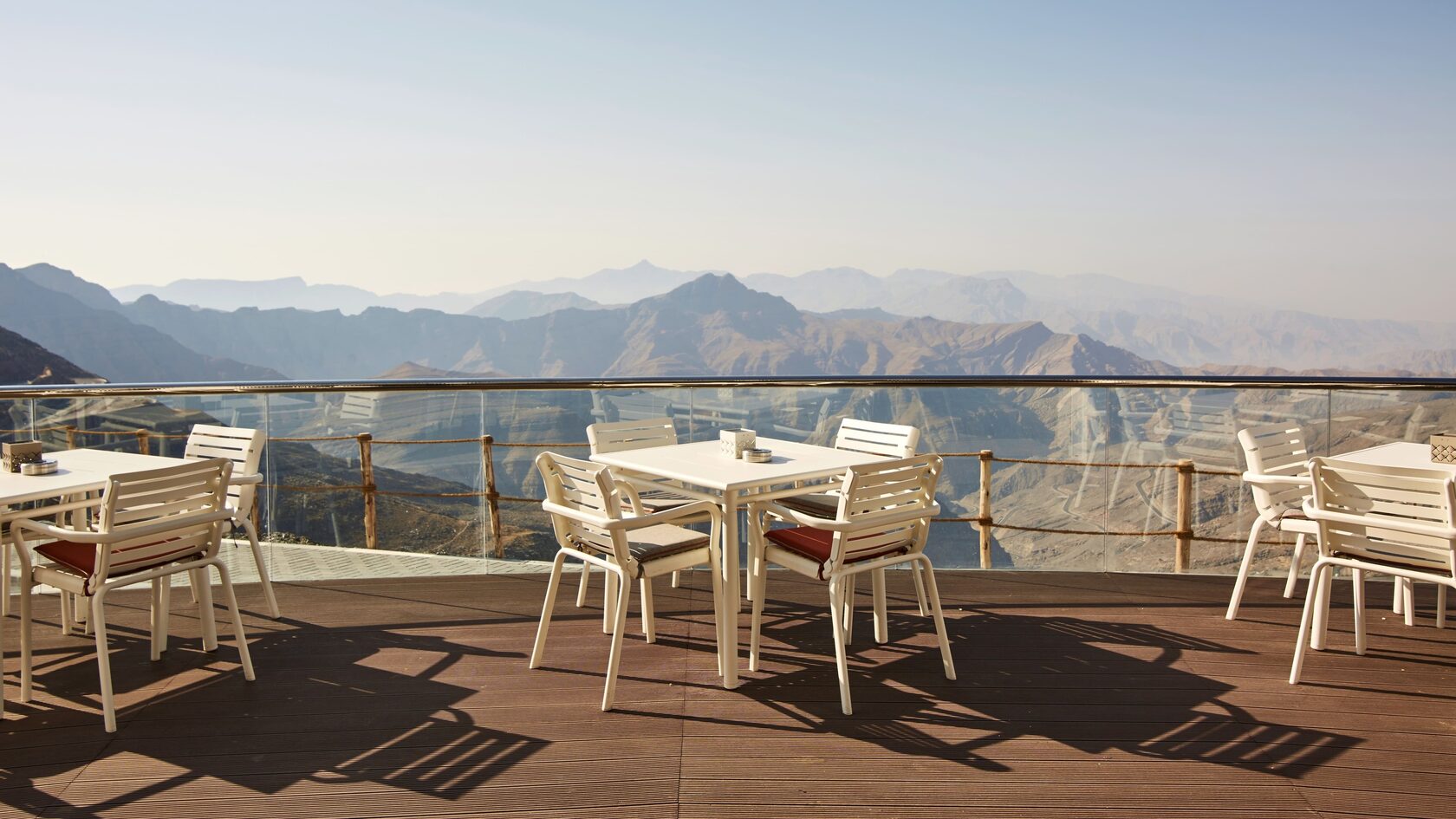
The most famous example is Jebel Jais, the highest mountain in the UAE, rising more than 1,900 meters above sea level. The road leading up to it has become almost as well known as the summit itself – long curves cutting through stone landscapes that look closer to Jordan or Oman than the Gulf coastline most visitors expect. In winter, temperatures there can feel completely disconnected from the rest of the UAE. You leave Dubai in sunshine and arrive two hours later wearing jackets.
Ras Al Khaimah sits at the northern edge of the country, bordering Oman and stretching between the Arabian Gulf and the Hajar mountain range. Unlike the more vertical image many people associate with the UAE, this emirate is all mountains, coastline, desert, and open space. It is one of the few places in the country where nature itself becomes the main attraction rather than simply the background.
The most famous example is Jebel Jais, the highest mountain in the UAE, rising more than 1,900 meters above sea level. The road leading up to it has become almost as well known as the summit itself – long curves cutting through stone landscapes that look closer to Jordan or Oman than the Gulf coastline most visitors expect. In winter, temperatures there can feel completely disconnected from the rest of the UAE. You leave Dubai in sunshine and arrive two hours later wearing jackets.
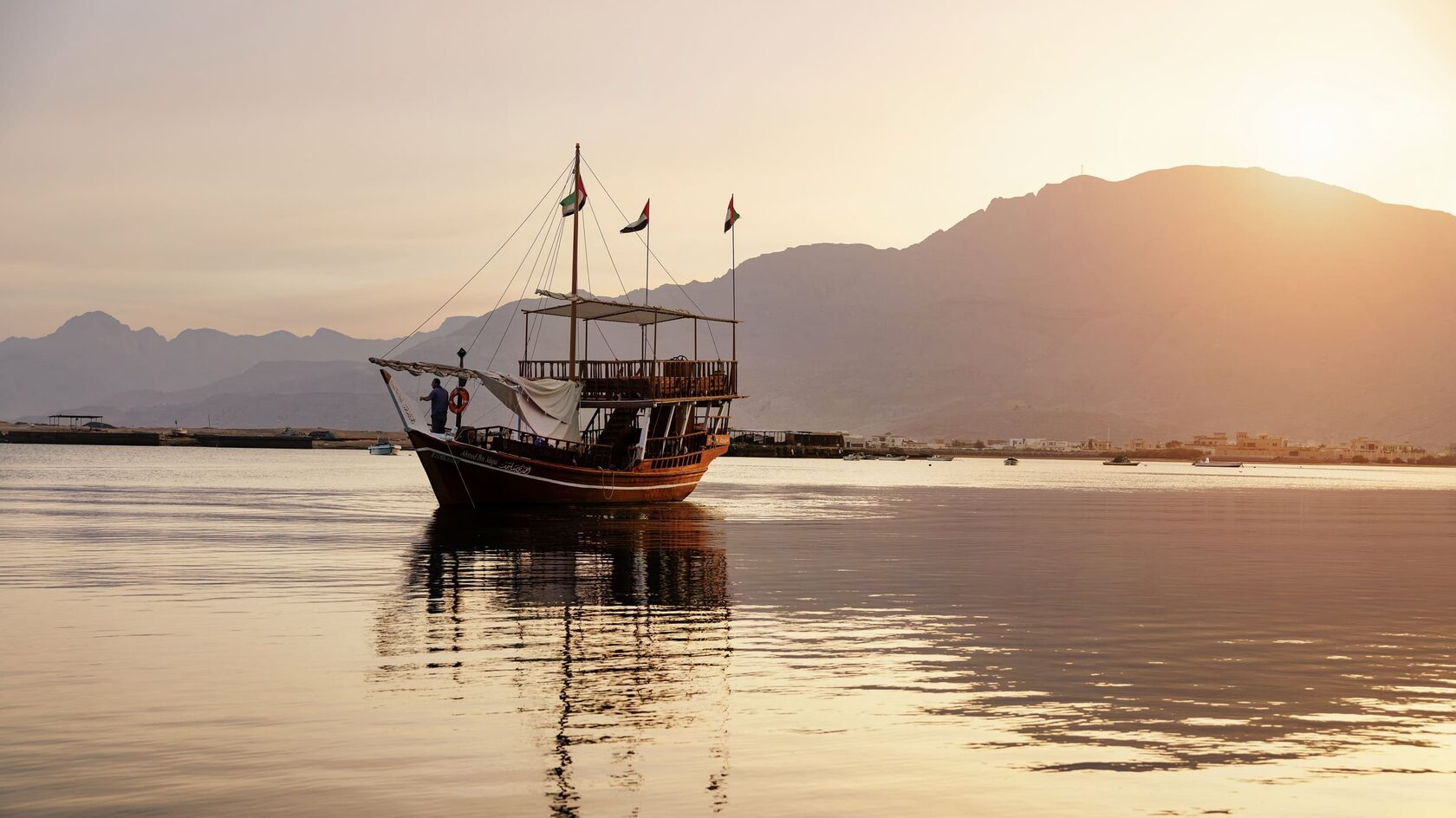
The coastline matters just as much to its identity. Fishing villages, quieter beaches, old pearling history, and long stretches of waterfront give the emirate a more grounded relationship with the sea. Before oil, before tourism, before branded developments, this coastline already mattered economically. Trade routes and pearling communities shaped daily life here for generations.
Today, that older atmosphere exists alongside a rapidly growing hospitality sector. Al Marjan has become the clearest symbol of that transformation. The man-made island development extending into the Arabian Gulf is increasingly associated with resorts, branded residences, beach clubs, and large-scale hospitality projects.
In a way, the emirate offers visitors an alternative to Dubai. Space instead of density. Mountains instead of highways. Quieter beaches instead of packed shorelines. Even the architecture often feels lower and more spread out.
For Dubai residents especially, that contrast becomes surprisingly valuable. Life in Dubai can be fast, efficient, and ambitious. Ras Al Khaimah provides a temporary exit from that rhythm without requiring international travel. The drive is manageable enough to feel spontaneous, yet once you arrive, the atmosphere changes almost immediately.
Today, that older atmosphere exists alongside a rapidly growing hospitality sector. Al Marjan has become the clearest symbol of that transformation. The man-made island development extending into the Arabian Gulf is increasingly associated with resorts, branded residences, beach clubs, and large-scale hospitality projects.
In a way, the emirate offers visitors an alternative to Dubai. Space instead of density. Mountains instead of highways. Quieter beaches instead of packed shorelines. Even the architecture often feels lower and more spread out.
For Dubai residents especially, that contrast becomes surprisingly valuable. Life in Dubai can be fast, efficient, and ambitious. Ras Al Khaimah provides a temporary exit from that rhythm without requiring international travel. The drive is manageable enough to feel spontaneous, yet once you arrive, the atmosphere changes almost immediately.
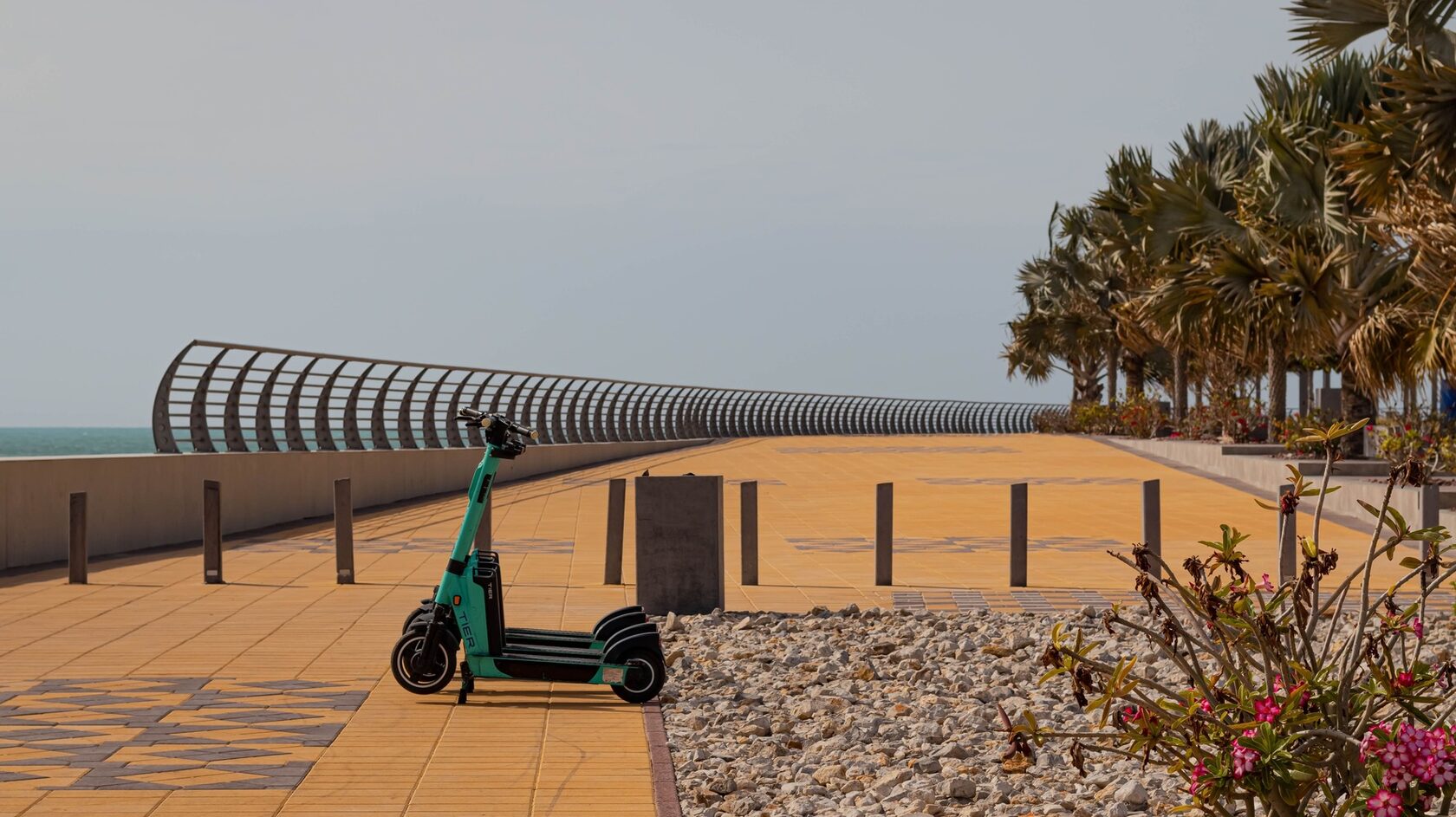
You notice it in small things first. Roads become emptier. Buildings sit lower against the landscape. The horizon opens up. People stay outdoors longer. Resorts feel less compressed. Even the sea somehow looks calmer.
And then there is the simple fact that Ras Al Khaimah still feels slightly under-discovered compared to other destinations in the UAE. It has major hotels, growing infrastructure, luxury developments, and international tourism, yet parts of it still retain a quieter, more local atmosphere. You can move between five-star resorts and old neighbourhoods within minutes without the transition feeling forced.
That combination – nature, accessibility, and relative calm – explains why more residents keep returning. Ras Al Khaimah reminds people that the UAE is geographically far more diverse than its common image suggests. And for many people living in Dubai, that alone is reason enough to go at least once.
And then there is the simple fact that Ras Al Khaimah still feels slightly under-discovered compared to other destinations in the UAE. It has major hotels, growing infrastructure, luxury developments, and international tourism, yet parts of it still retain a quieter, more local atmosphere. You can move between five-star resorts and old neighbourhoods within minutes without the transition feeling forced.
That combination – nature, accessibility, and relative calm – explains why more residents keep returning. Ras Al Khaimah reminds people that the UAE is geographically far more diverse than its common image suggests. And for many people living in Dubai, that alone is reason enough to go at least once.
Photo courtesy Ras Al Khaimah Tourism Development Authority