

A visit to the UAE’s flagship mosques is often part of any traveller’s itinerary – they are striking architectural landmarks that even non-Muslims can’t help but admire. Yet for non-Muslim residents and visitors, several of them offer something rarer: an opportunity to better understand Islam and its traditions.
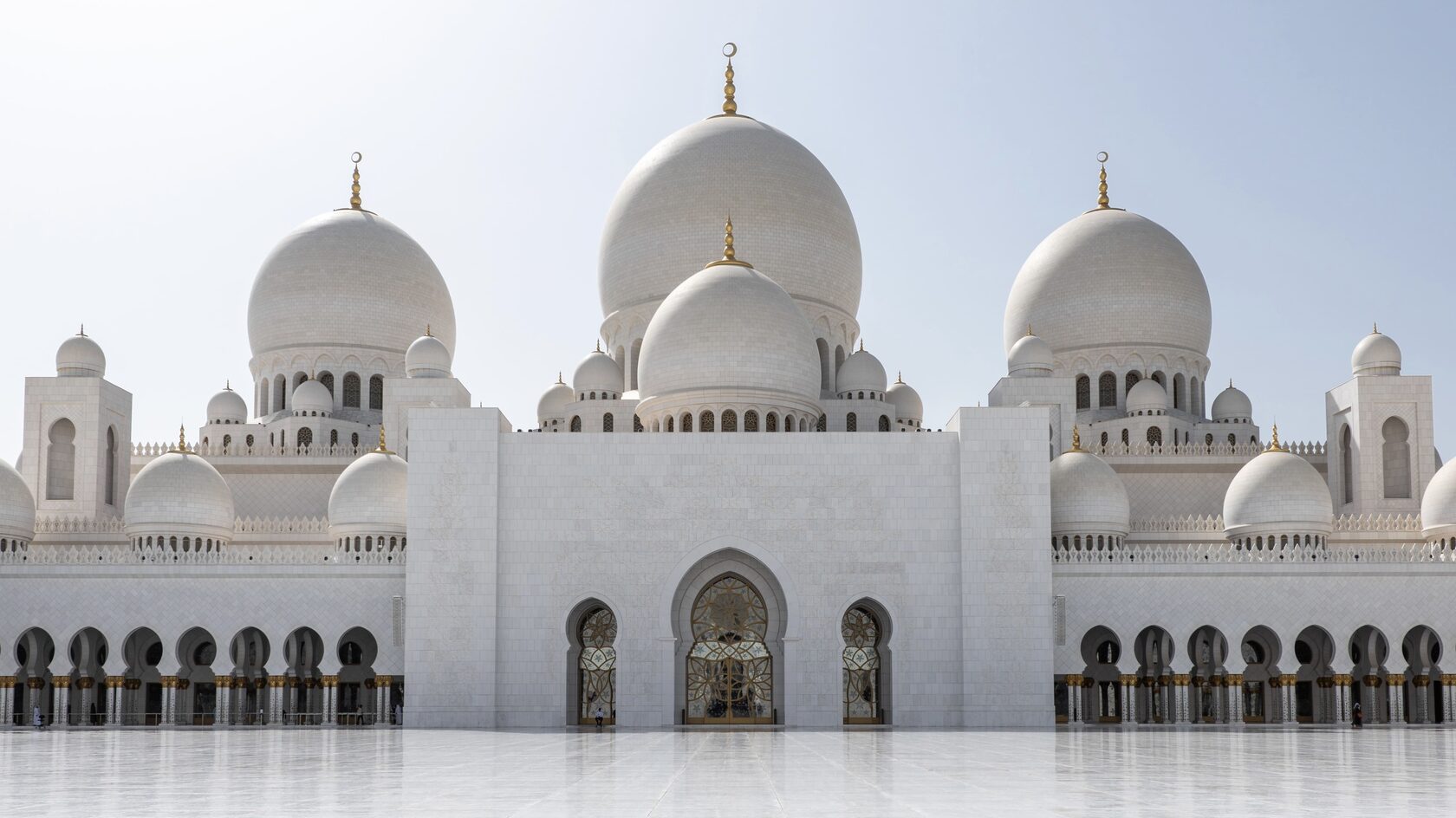
The Sheikh Zayed Grand Mosque in Abu Dhabi is perhaps the most recognisable. Its white marble domes and expansive courtyard have become a symbol of the nation itself, but its significance goes beyond scale. Built as a national project of unity, the mosque welcomes visitors through guided cultural tours that explain prayer rituals, symbolism, and the principles of Islamic faith. Inside, the experience is all about proportion and light. Even at full capacity, the space feels ordered and calm.
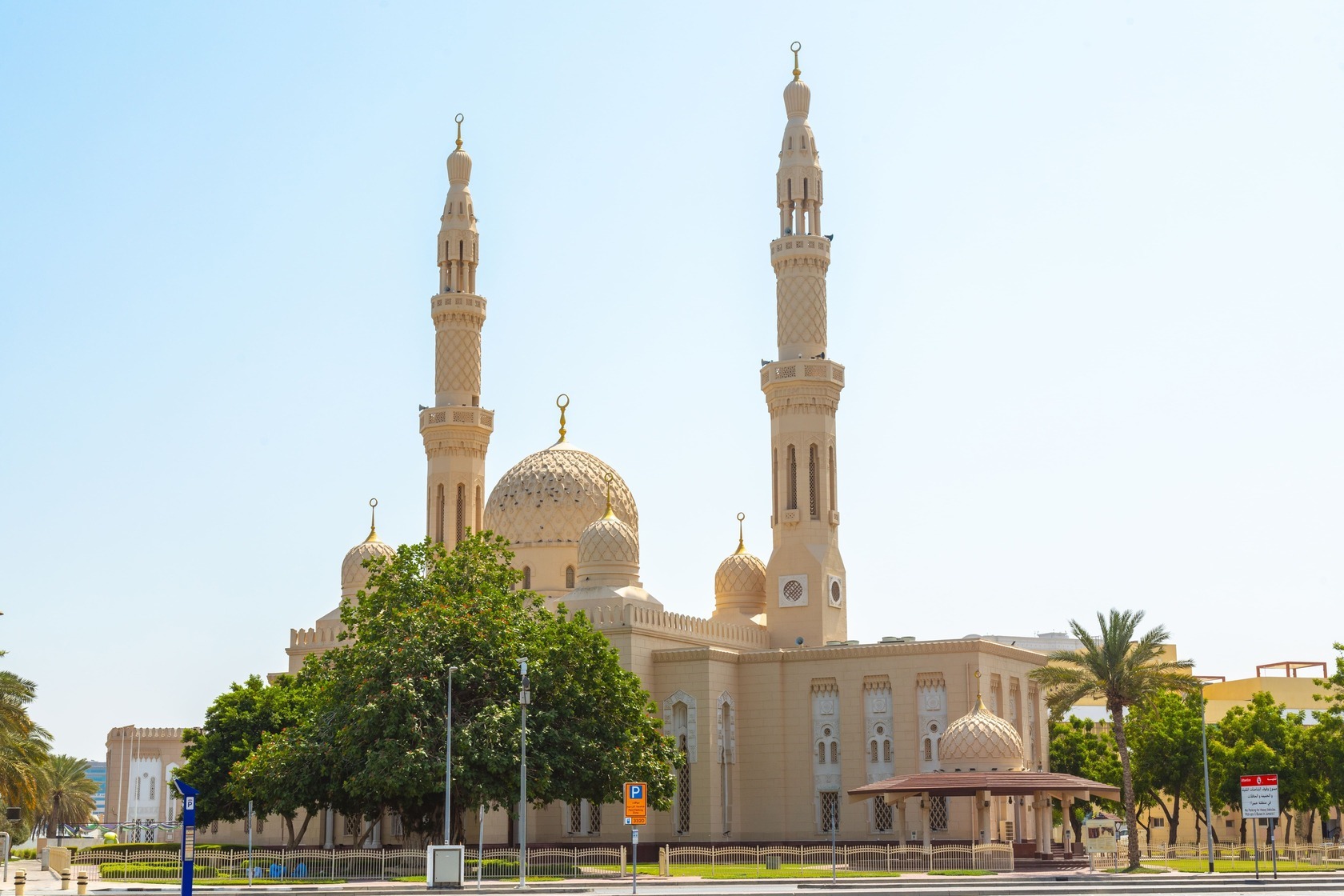
In Dubai, the Jumeirah Mosque offers a more intimate introduction. Smaller in scale but deeply influential in spirit, it is home to the long-running “Open Doors, Open Minds” programme. Here, conversations are encouraged. Visitors sit on the carpet, ask questions freely, and receive clear explanations about daily prayers, fasting, and customs. The setting feels human rather than monumental. It is less about spectacle and more about dialogue – an accessible starting point for those curious about Islamic practice.
The Sheikh Zayed Grand Mosque in Abu Dhabi is perhaps the most recognisable. Its white marble domes and expansive courtyard have become a symbol of the nation itself, but its significance goes beyond scale. Built as a national project of unity, the mosque welcomes visitors through guided cultural tours that explain prayer rituals, symbolism, and the principles of Islamic faith. Inside, the experience is all about proportion and light. Even at full capacity, the space feels ordered and calm.
In Dubai, the Jumeirah Mosque offers a more intimate introduction. Smaller in scale but deeply influential in spirit, it is home to the long-running “Open Doors, Open Minds” programme. Here, conversations are encouraged. Visitors sit on the carpet, ask questions freely, and receive clear explanations about daily prayers, fasting, and customs. The setting feels human rather than monumental. It is less about spectacle and more about dialogue – an accessible starting point for those curious about Islamic practice.
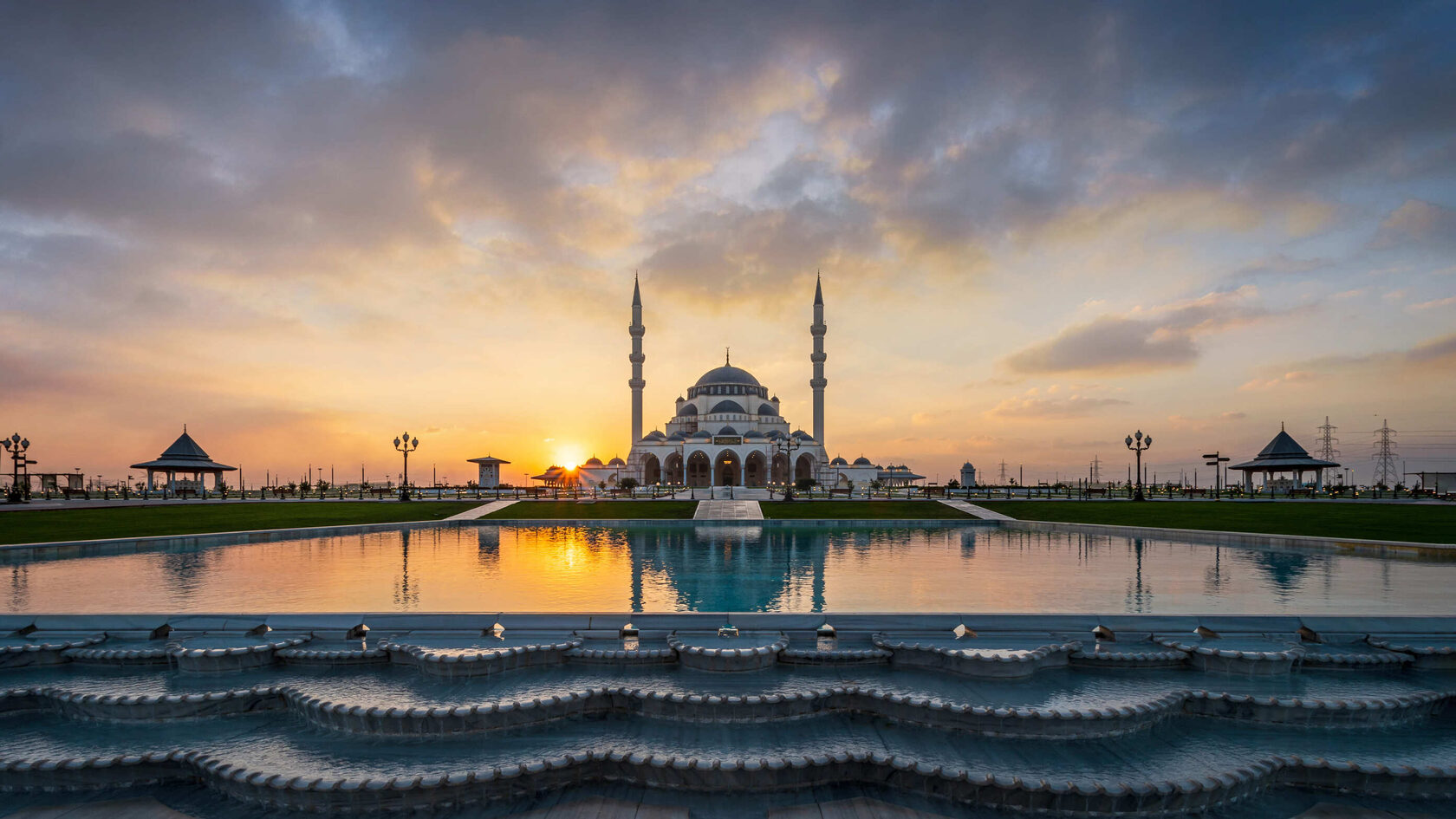
Sharjah Mosque, the largest in the emirate known for its emphasis on culture and education, reflects a slightly different tone. Its architecture is classical and symmetrical, while educational materials and guided access help visitors understand how a mosque functions and why certain forms and designs prevail.
What unites these three spaces is their openness. Dress codes are clearly communicated but handled with respect. Photography is guided rather than forbidden. Questions are welcomed. The goal is not conversion or persuasion, but context. For a diverse country where people of many faiths live side by side, this transparency matters.
What unites these three spaces is their openness. Dress codes are clearly communicated but handled with respect. Photography is guided rather than forbidden. Questions are welcomed. The goal is not conversion or persuasion, but context. For a diverse country where people of many faiths live side by side, this transparency matters.
Visiting a mosque in the UAE is not a tourist activity in the conventional sense. You remove your shoes, lower your voice, and step into a space organised around intention. The calligraphy on the walls, the geometry beneath your feet, the rhythm of prayer times – each detail carries meaning. Understanding comes from noticing how daily life continues around these structures.
The UAE is an Islamic country, with Islam as its official religion. At the same time, it is home to a large international population, and most visitors are not Muslim. Rather than overlooking that reality, the country has chosen openness. For worshippers of other faiths living in or visiting the UAE, spending time in one of these mosques may offer perspective. It reveals how the country presents Islam to the world: confident, ever-present, and open to conversation.
The UAE is an Islamic country, with Islam as its official religion. At the same time, it is home to a large international population, and most visitors are not Muslim. Rather than overlooking that reality, the country has chosen openness. For worshippers of other faiths living in or visiting the UAE, spending time in one of these mosques may offer perspective. It reveals how the country presents Islam to the world: confident, ever-present, and open to conversation.