

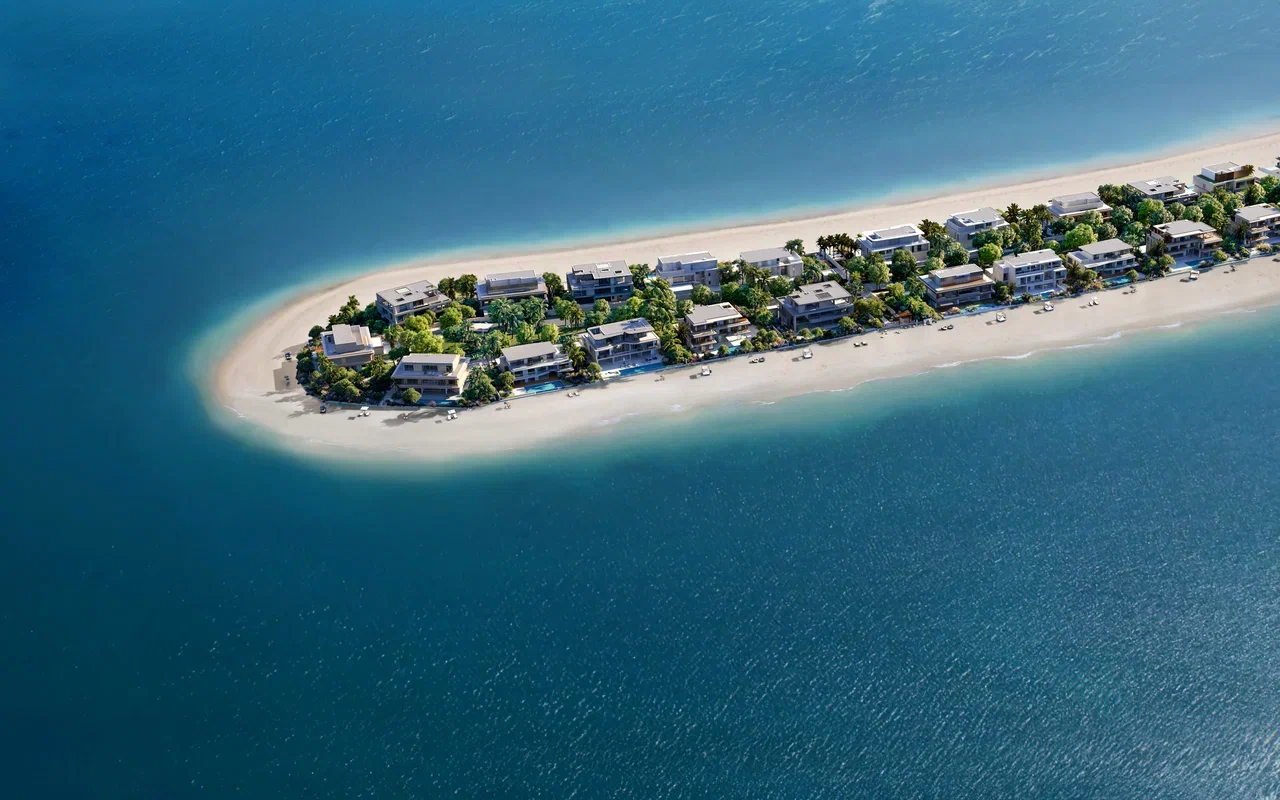
Ask someone abroad to picture Dubai, and the mind skips straight to skyscrapers and engineered skylines. But for many who actually call the city home, the best address isn’t measured in floors or views. It’s somewhere out past the noise – a villa set back behind high walls and a thicket of bougainvillaea, where life unfolds at ground level and the horizon belongs to the family next door.
From Jumeirah to Arabian Ranches and Al Barsha, you see it in the routines that mark each day. In the mornings, a gardener sweeps sand from the terrace before the sun is high. In the evening, children’s shouts float above the hedges as they dive into the pool, adults trailing behind with plates of grilled fish or kebabs. Some streets offer only a glimpse: the glint of a tiled roof, a shadowed courtyard, a palm tree that’s grown taller than the fence. The villa is Dubai’s most private address, and in many ways, its most public secret.
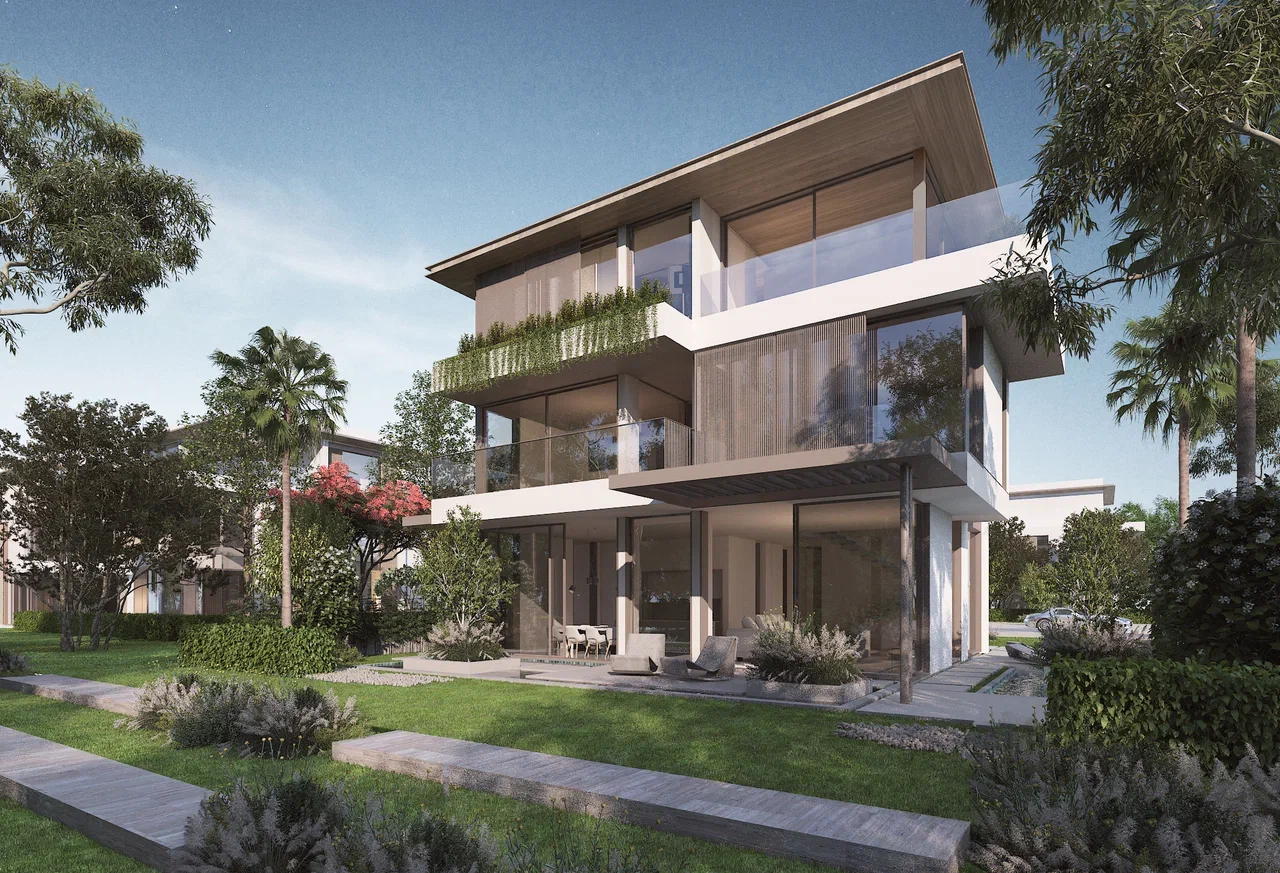
The Dubai villa is not a copy-paste version of Beverly Hills or Surrey, even if it borrows the gated community and the promise of privacy. These houses are built for a climate that punishes carelessness – thick walls and small windows, shaded courtyards, gardens planned to coax green from desert soil.
You’ll see a mix of old and new: a majlis with gold-edged cushions, a remote-controlled gate, Arabic tilework, a sunken sofa from Milan, and a trampoline in the corner of the garden. There might be three generations under one roof, plus a live-in helper, plus a steady flow of guests – friends from school, cousins back from university, neighbours dropping in for table games after dark.
The rise of the villa wasn’t inevitable. In the early 2000s, the city’s focus was on vertical expansion – towers for finance, for hotels, for expatriates looking for quick returns or short-term stays. Apartments offered a view, a pool on the roof, maybe a gym. Villas, meanwhile, were the preserve of Emiratis, government workers, or those with family ties. The old Jumeirah strip, now hidden behind a sprawl of boutique shops and cafés, was the prototype: single-storey houses with rambling gardens, more practical than grand.
The more Dubai grew, the more the idea of private space gained value. As the city spread south and east, developers began to package the villa as a kind of solution – Arabian Ranches, the Meadows, Green Community, each promising a bit of seclusion, a patch of grass, a life buffered from the city’s constant motion. And with every global jolt, the appeal deepened: after the 2008 crash, after each wave of uncertainty, and especially after lockdowns when the only safe place was home, the villa became a goal in itself.
Ask any real estate agent and they’ll tell you: villa prices now outpace most apartments, even those in the centre. In established communities, a family villa often sells for AED 8 to 15 million, while a spacious downtown apartment, even with a Burj Khalifa view, might list for half that.
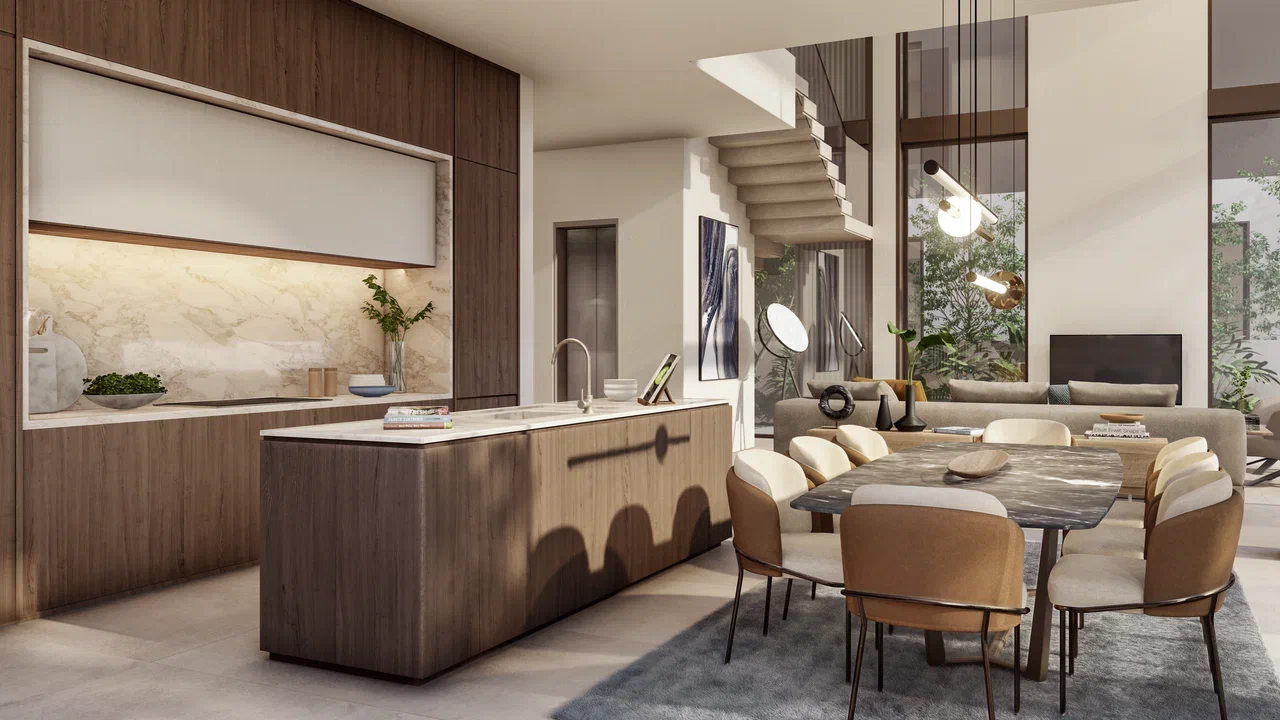
During the pandemic, a sudden demand for outdoor space pushed prices higher still. Home offices, bigger kitchens, pools for exercise, shaded gardens for safe play – villas checked every box. Meanwhile, developers got creative, rolling out eco-villas with solar panels, ‘smart’ homes wired for remote work, or entire communities organized around wellness or golf or imported blue lagoons.
But the villa’s meaning runs deeper than amenities. For many families – local and expat – the house is more than shelter. It’s a buffer against the city’s pace, a place where grandparents, kids, and visiting friends can orbit each other in peace. In the evenings, lights blink on across the back gardens, the city’s skyline just visible above a fringe of palm. Children’s voices carry over the walls. In Ramadan, neighbours exchange trays of food through side gates. On weekends, the smell of charcoal drifts from garden barbecues. Inside, the living room might host as many languages as people: Arabic, English, Tagalog, Russian, Hindi, a few words of Swahili or French.
Not every villa is a palace. Some are modest, ageing, and patched together from additions and renovations. Newer ones lean into imported luxury: branded interiors, high-tech kitchens, Italian marble in the bathrooms. Yet almost all are shaped by the same impulse: to claim a little territory in a city built for movement, and to fill it with family, routine, and a sense of continuity. For all its skyscrapers, Dubai’s most lasting comfort is still horizontal: a door closed on the world, the scent of jasmine in a garden at dusk, the quiet rhythm of life lived a little apart from the skyline.