

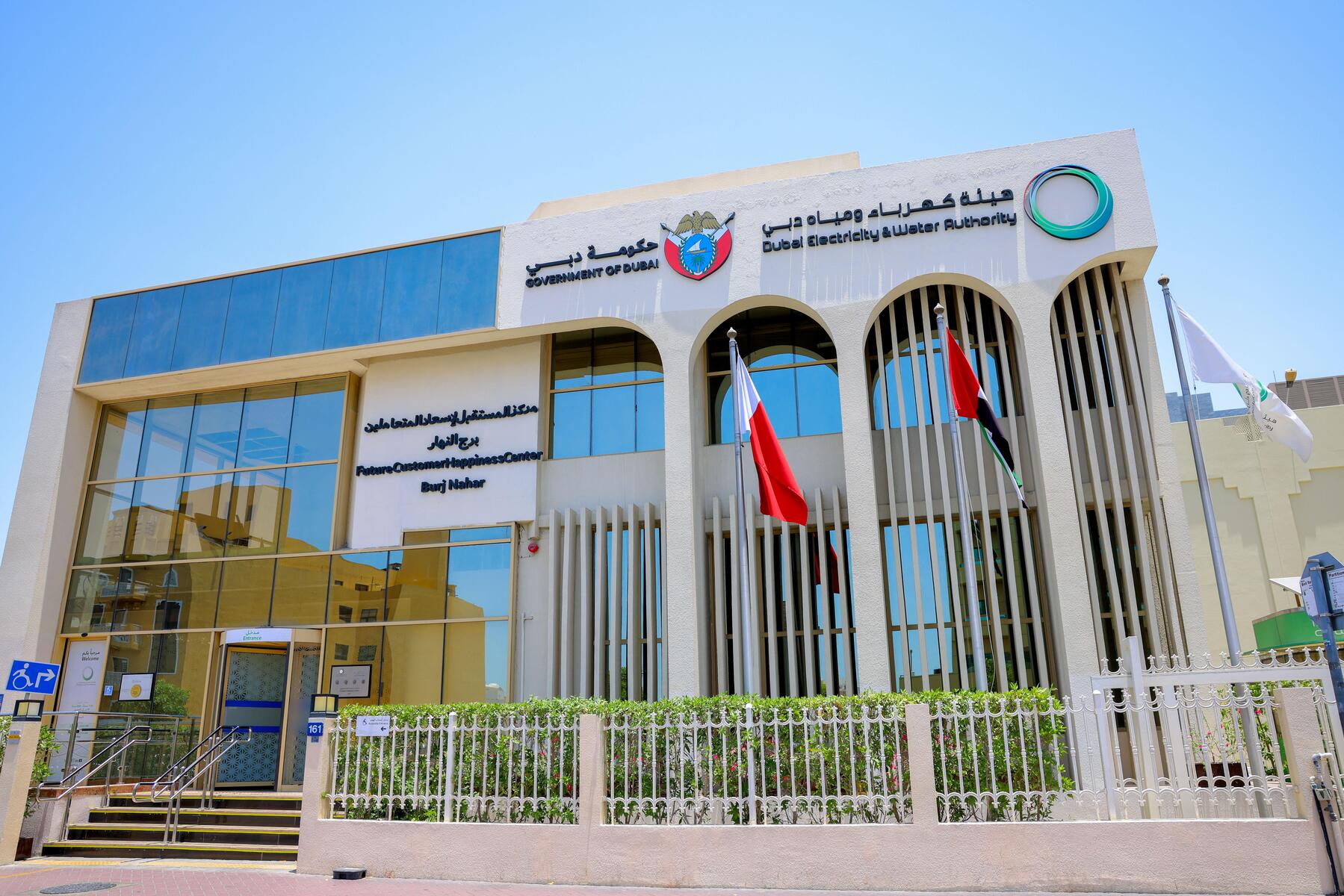
For most people living in Dubai, the relationship with DEWA lasts about thirty seconds each month. You open the app, glance at the bill, pay it, and move on with your day. It is one of those organisations you only really think about when you first move into an apartment or when the air conditioning stops working. Which is slightly unfair, because without DEWA, modern Dubai simply wouldn’t function.
Officially, DEWA stands for the Dubai Electricity and Water Authority. It is a government-owned public utility responsible for generating, transmitting, and distributing electricity and desalinated water across the emirate. Created in 1992 through the merger of Dubai Electricity Company and Dubai Water Department, it brought two essential services under one organisation, making it easier to plan the city’s astonishing pace of growth.
That growth is difficult to overstate. Every new residential district, hotel, metro station, shopping mall, business tower, hospital, and master-planned community begins with a question: How do we get enough electricity and water here? Before architects think about facades or developers start marketing penthouses, somebody has already calculated cables, substations, pipelines, and reservoirs. And yes, it isn’t the most glamorous side of urban development, but it is probably the most important.
Officially, DEWA stands for the Dubai Electricity and Water Authority. It is a government-owned public utility responsible for generating, transmitting, and distributing electricity and desalinated water across the emirate. Created in 1992 through the merger of Dubai Electricity Company and Dubai Water Department, it brought two essential services under one organisation, making it easier to plan the city’s astonishing pace of growth.
That growth is difficult to overstate. Every new residential district, hotel, metro station, shopping mall, business tower, hospital, and master-planned community begins with a question: How do we get enough electricity and water here? Before architects think about facades or developers start marketing penthouses, somebody has already calculated cables, substations, pipelines, and reservoirs. And yes, it isn’t the most glamorous side of urban development, but it is probably the most important.
Water, in particular, tells the story of Dubai better than almost anything else. Unlike cities built beside large rivers or lakes, Dubai produces almost all of its drinking water through desalination. Sea water is transformed into fresh water before travelling through hundreds of kilometres of pipelines into homes, offices, parks, hotels, and fountains. Every shower, every swimming pool, and every carefully irrigated tree depends on infrastructure most residents never actually see.
Electricity presents its own challenge. Air conditioning in Dubai is basic infrastructure. During summer, when temperatures climb beyond 45°C, demand rises dramatically as millions of homes, offices, data centres, shopping malls, and hotels all compete for power at the same time. Keeping that system stable is all about balancing supply and demand minute by minute. That balancing act explains why DEWA has gradually become something much larger than a utility company.
Electricity presents its own challenge. Air conditioning in Dubai is basic infrastructure. During summer, when temperatures climb beyond 45°C, demand rises dramatically as millions of homes, offices, data centres, shopping malls, and hotels all compete for power at the same time. Keeping that system stable is all about balancing supply and demand minute by minute. That balancing act explains why DEWA has gradually become something much larger than a utility company.
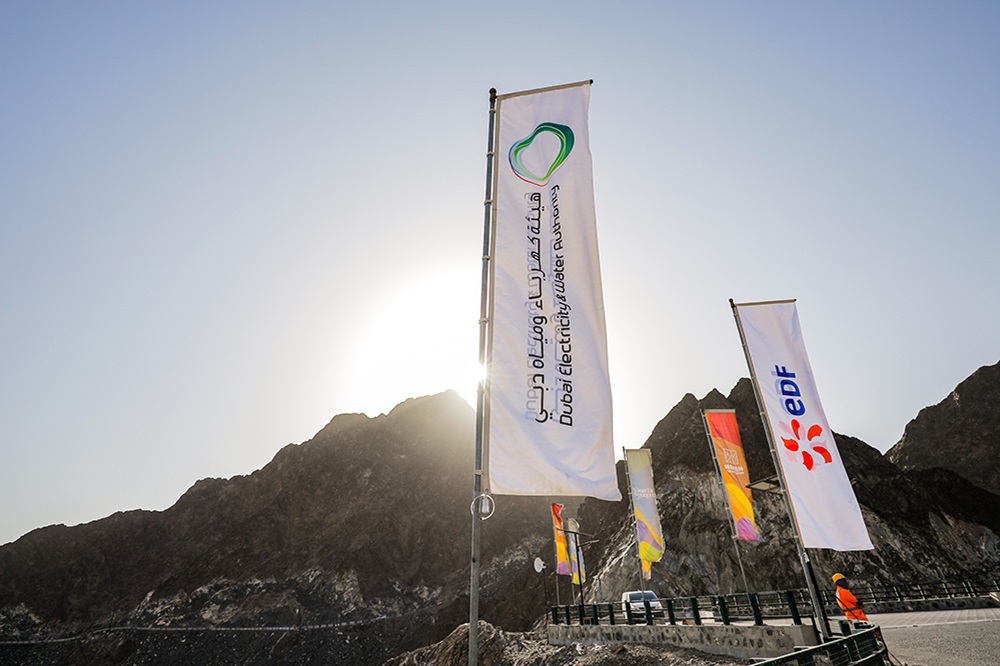
The organisation now sits at the centre of many of Dubai’s sustainability projects. The most visible is the Mohammed bin Rashid Al Maktoum Solar Park, one of the world’s largest single-site solar developments, designed to play a major role in Dubai’s long-term transition toward cleaner energy. Less obvious, but equally fascinating, is the pumped-storage hydroelectric project in Hatta. Rather than producing power continuously, it works like a giant battery. During periods of surplus solar generation, water is pumped uphill into an upper reservoir. When electricity demand increases, the water flows back down through turbines, generating power that can reach the grid in around 90 seconds. The plant has a capacity of 250 MW, can store 1,500 MWh of energy, and is the first project of its kind in the GCC.
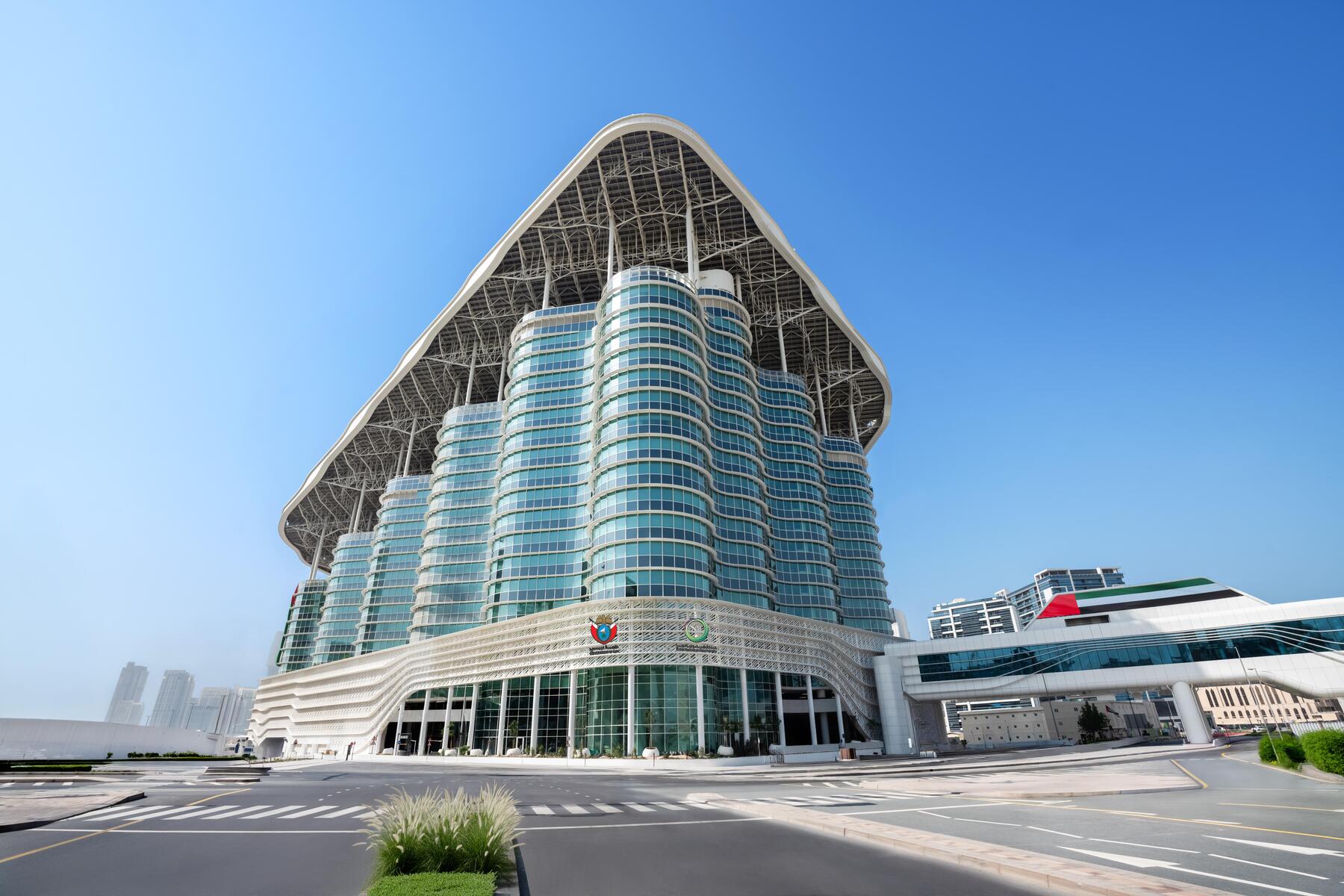
Even DEWA’s headquarters tells part of this story. Anyone driving through Al Jaddaf has probably noticed the enormous sail-shaped structure rising beside the Metro. Officially called Al Shera’a – Arabic for The Sail – the building looks like something designed for a science-fiction film. The name deliberately references traditional Emirati sailing heritage while pointing toward the future at the same time.
Even DEWA’s headquarters tells part of this story. Anyone driving through Al Jaddaf has probably noticed the enormous sail-shaped structure rising beside the Metro. Officially called Al Shera’a – Arabic for The Sail – the building looks like something designed for a science-fiction film. The name deliberately references traditional Emirati sailing heritage while pointing toward the future at the same time.
Inside, however, the building is less about dramatic architecture than about experimentation. More than 110,000 sensors, AI-powered building management, extensive solar panels, automated systems, and direct Metro access all turn the headquarters into something of a living laboratory. Al Shera’a generates more renewable energy than it uses over the course of a year, making it what DEWA describes as the world’s tallest, largest, and smartest net-positive government building.
Utilities are rarely celebrated because success is almost invisible. Nobody notices electricity arriving exactly when expected. Nobody applauds clean water flowing from a tap. The highest compliment a utility can receive is that people hardly think about it at all. Perhaps that is why DEWA has become such an interesting reflection of Dubai itself. One part of the city builds towers that everyone photographs. Another builds the invisible systems that make those towers possible. One attracts attention. The other keeps the lights on. Both, in their own way, are equally responsible for the city we know today.
Utilities are rarely celebrated because success is almost invisible. Nobody notices electricity arriving exactly when expected. Nobody applauds clean water flowing from a tap. The highest compliment a utility can receive is that people hardly think about it at all. Perhaps that is why DEWA has become such an interesting reflection of Dubai itself. One part of the city builds towers that everyone photographs. Another builds the invisible systems that make those towers possible. One attracts attention. The other keeps the lights on. Both, in their own way, are equally responsible for the city we know today.