

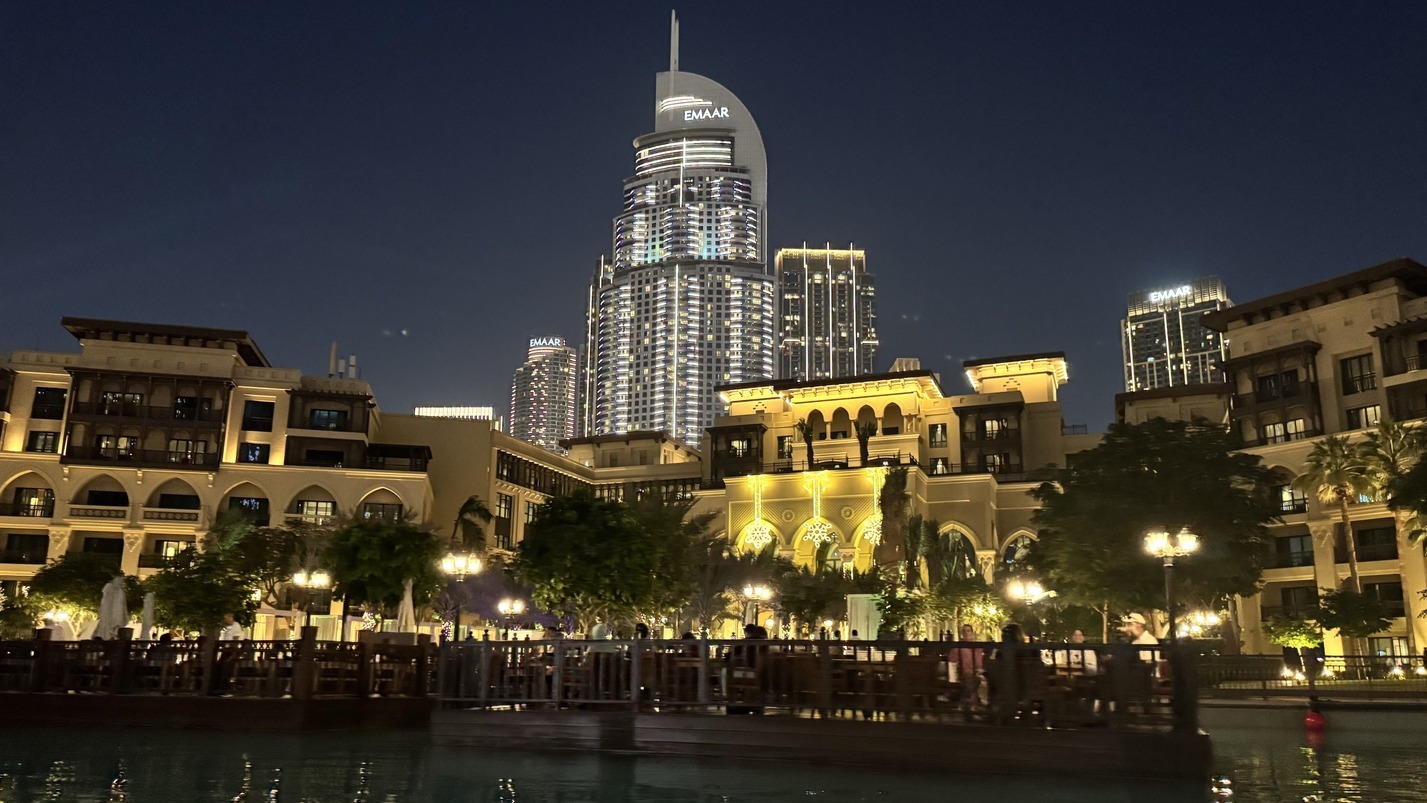
For the Muslim world, this month centers on restraint, reflection, and intention – a collective pause in the calendar that centers daily life on fasting, prayer, generosity, and family. In the UAE, this shift is carefully supported, with the country adjusting its rhythm while keeping everyday life running smoothly. Non-Muslim residents and visitors are not expected to change their routines in any significant way, and Ramadan unfolds within a shared atmosphere of consideration and mutual respect.
For Muslims, Ramadan means abstaining from food and drink from dawn to sunset, alongside a deeper focus on prayer and charitable acts. The discipline is personal, but the rhythm is collective. Across countries and cultures, millions of people align their days around the same cycle of restraint and release. In that sense, Ramadan is both deeply individual and profoundly communal.
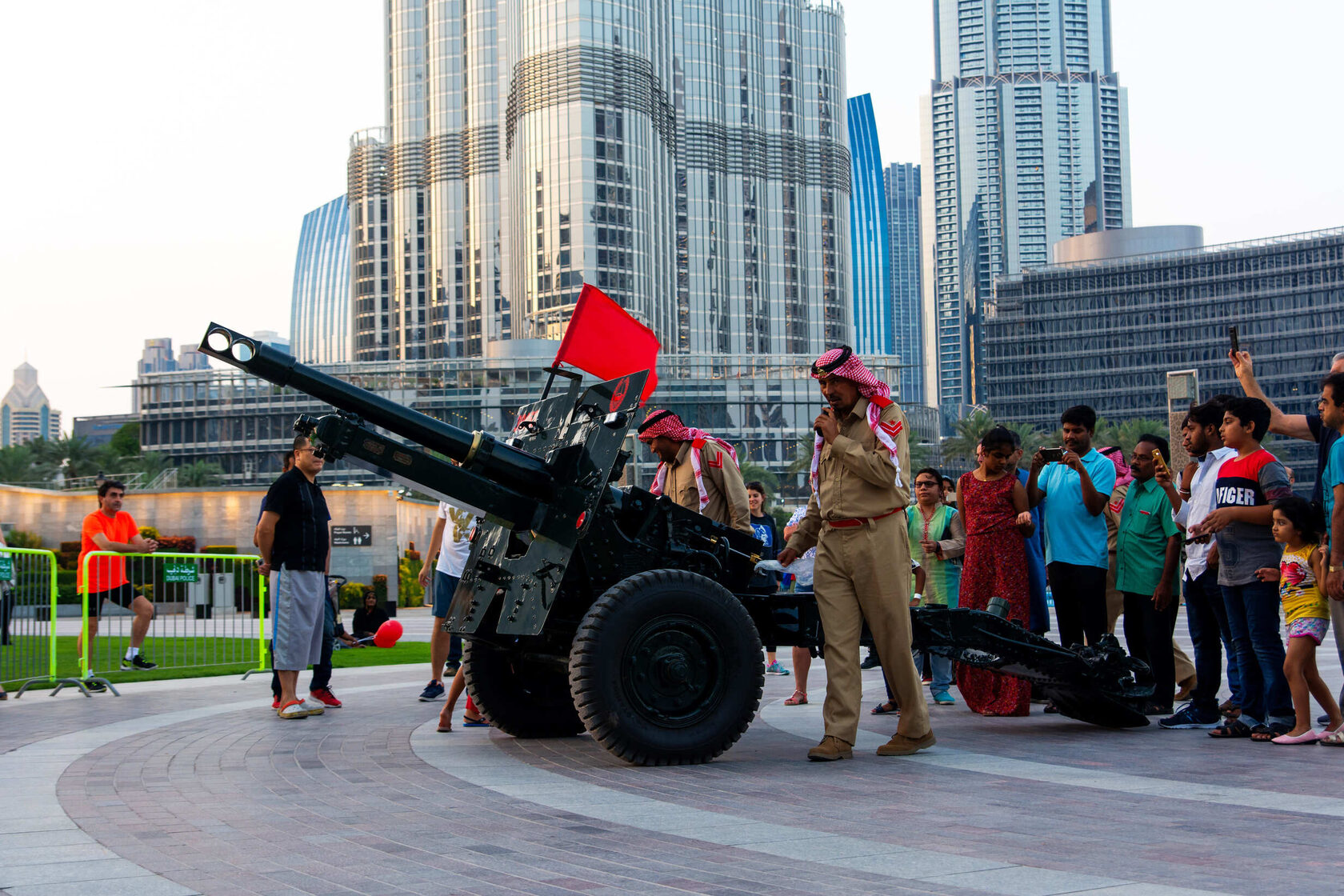
Mornings are quieter, afternoons slower, and evenings fuller. As sunset approaches, anticipation builds. Iftars appear everywhere – in homes, hotels, restaurants, purpose-built tents, and informal gatherings. Breaking the fast becomes a shared social moment, often stretching long into the night. One of the most recognisable traditions is the firing of the cannon at sunset in several parts of the city, a historic signal marking the end of the day’s fast. Even in a modern metropolis, it remains a moment that briefly stills the streets.
For Muslims, Ramadan means abstaining from food and drink from dawn to sunset, alongside a deeper focus on prayer and charitable acts. The discipline is personal, but the rhythm is collective. Across countries and cultures, millions of people align their days around the same cycle of restraint and release. In that sense, Ramadan is both deeply individual and profoundly communal.
Mornings are quieter, afternoons slower, and evenings fuller. As sunset approaches, anticipation builds. Iftars appear everywhere – in homes, hotels, restaurants, purpose-built tents, and informal gatherings. Breaking the fast becomes a shared social moment, often stretching long into the night. One of the most recognisable traditions is the firing of the cannon at sunset in several parts of the city, a historic signal marking the end of the day’s fast. Even in a modern metropolis, it remains a moment that briefly stills the streets.
For non-Muslims and visitors, Ramadan in the UAE is often less restrictive than expected. The city is mindful of its diverse population. Cafés, restaurants, delivery services, taxis, and essential services continue to operate, particularly in malls, hotels, and designated areas. Eating and drinking during daylight hours is approached with discretion rather than enforcement, and the atmosphere is one of respect rather than rigidity. Visitors are not expected to fast, but awareness and consideration are appreciated.
What changes most noticeably is the city’s social energy. Nights become the centre of life. Restaurants stay open late, and families, friends, and colleagues gather for iftars together. A sense of patience settles into daily interactions – fewer rushed encounters, more time given.
What changes most noticeably is the city’s social energy. Nights become the centre of life. Restaurants stay open late, and families, friends, and colleagues gather for iftars together. A sense of patience settles into daily interactions – fewer rushed encounters, more time given.
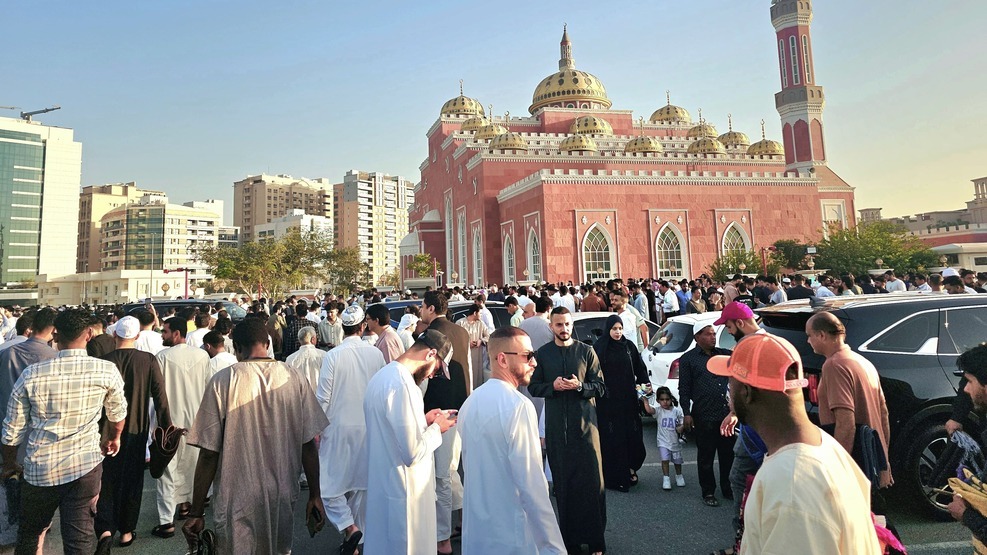
For the country itself, the month holds particular importance. The UAE positions Ramadan as part of its identity. The balance between faith and everyday life is carefully maintained, allowing the month to be observed openly while remaining accessible to those experiencing it for the first time.
In 2026, Ramadan is expected to begin around mid-February, with Eid al-Fitr likely to fall around mid-March, subject to moon sighting. Eid marks the end of the fasting month and shifts the mood from reflection to celebration. For foreigners living in or visiting the UAE during this period, Ramadan offers a rare opportunity: a chance to see the country through a different lens. And don’t fear don’t Ramadan for being a barrier to your daily life. Consider it is an invitation to observe, understand, and share in a different rhythm.
In 2026, Ramadan is expected to begin around mid-February, with Eid al-Fitr likely to fall around mid-March, subject to moon sighting. Eid marks the end of the fasting month and shifts the mood from reflection to celebration. For foreigners living in or visiting the UAE during this period, Ramadan offers a rare opportunity: a chance to see the country through a different lens. And don’t fear don’t Ramadan for being a barrier to your daily life. Consider it is an invitation to observe, understand, and share in a different rhythm.