

Long before AI diagnostics and wellness districts became part of the city’s global image, there were hospitals quietly carrying a different kind of responsibility – dealing with emergencies, delivering generations of residents, training doctors, and building public trust in a city growing faster every decade.
Some of these institutions became so essential to everyday life that their names turned into shorthand. People did not say ‘take him to the emergency hospital.’ They said ‘Rashid.’ Entire generations were born in Latifa. Families still speak about Dubai Hospital with the kind of respect reserved for places that were there before the city became globally recognisable.
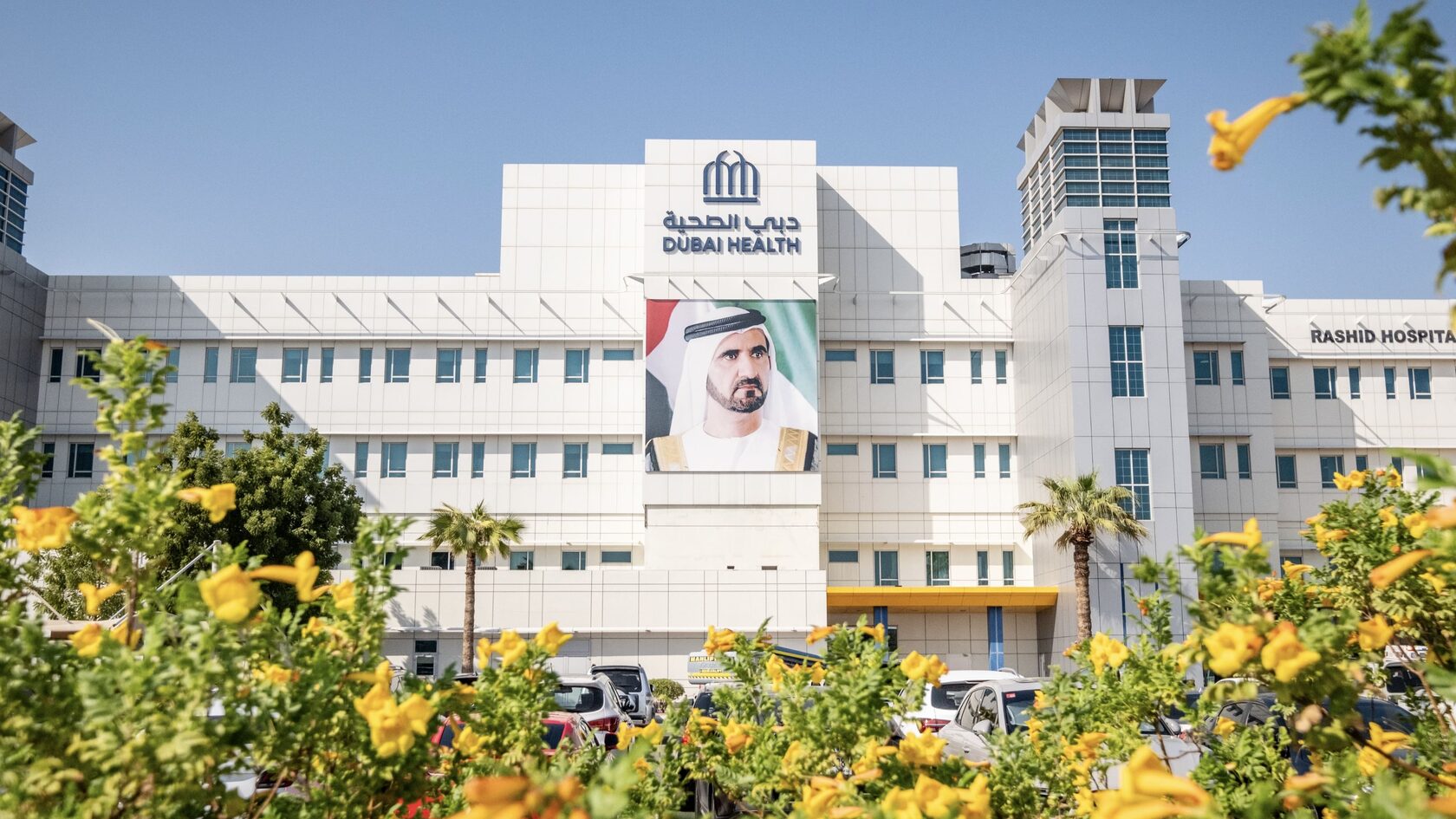
If one hospital became synonymous with urgency in Dubai, it was Rashid Hospital. Opened in the 1970s and later expanded significantly, Rashid developed into one of the UAE’s most important trauma and emergency centres. In a city of movement – highways, construction, logistics, tourism – Rashid was built to absorb the consequences of all that activity.
Some of these institutions became so essential to everyday life that their names turned into shorthand. People did not say ‘take him to the emergency hospital.’ They said ‘Rashid.’ Entire generations were born in Latifa. Families still speak about Dubai Hospital with the kind of respect reserved for places that were there before the city became globally recognisable.
If one hospital became synonymous with urgency in Dubai, it was Rashid Hospital. Opened in the 1970s and later expanded significantly, Rashid developed into one of the UAE’s most important trauma and emergency centres. In a city of movement – highways, construction, logistics, tourism – Rashid was built to absorb the consequences of all that activity.
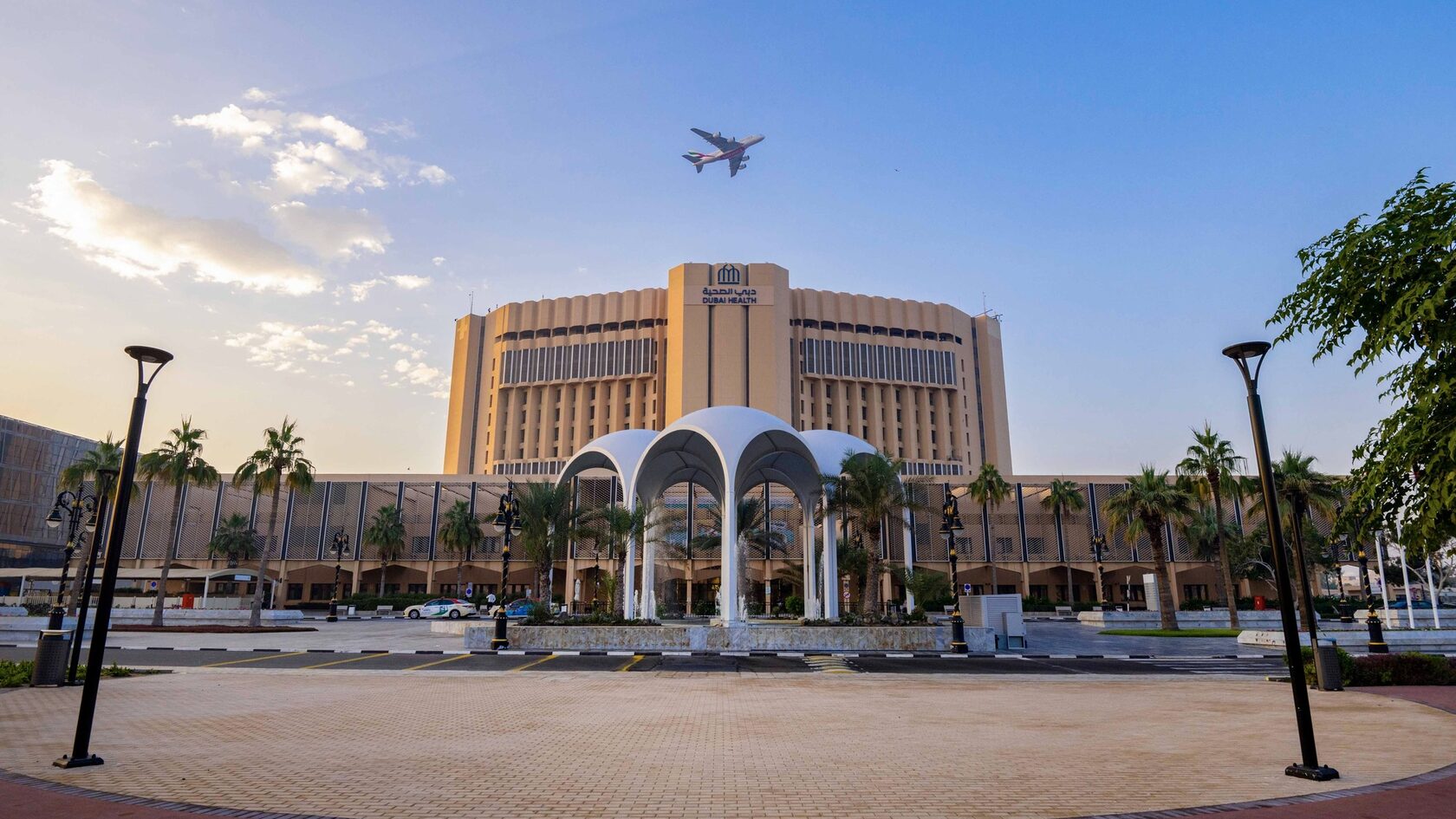
For decades, Rashid’s emergency department operated almost like a parallel infrastructure to the city itself. Ambulances, trauma teams, critical surgery, intensive care – it became the institution people trusted during the worst moments. Its trauma centre remains among the most significant in the region.
But Rashid’s importance also reflects timing. Dubai was urbanising rapidly when the hospital expanded. The city needed a modern emergency system capable of supporting both a growing population and increasingly complex infrastructure. Rashid became one of the foundations of that system.
Dubai Hospital represents another layer of Dubai’s healthcare story – long-term public medicine at scale. Opened in 1983 near the older parts of the city, it became one of Dubai’s flagship government medical institutions. Through the years it evolved into a broad multidisciplinary centre handling everything from surgery and cardiology to oncology and internal medicine.
But Rashid’s importance also reflects timing. Dubai was urbanising rapidly when the hospital expanded. The city needed a modern emergency system capable of supporting both a growing population and increasingly complex infrastructure. Rashid became one of the foundations of that system.
Dubai Hospital represents another layer of Dubai’s healthcare story – long-term public medicine at scale. Opened in 1983 near the older parts of the city, it became one of Dubai’s flagship government medical institutions. Through the years it evolved into a broad multidisciplinary centre handling everything from surgery and cardiology to oncology and internal medicine.
Its significance lies partly in the continuity it provided during periods when Dubai’s population was expanding at extraordinary speed, yet the healthcare system still had to remain accessible and functional for ordinary daily life. And while newer private institutions often dominate lifestyle-oriented healthcare conversations, Dubai Hospital still reflects something fundamental: the role of stable public infrastructure in making Dubai’s growth sustainable.
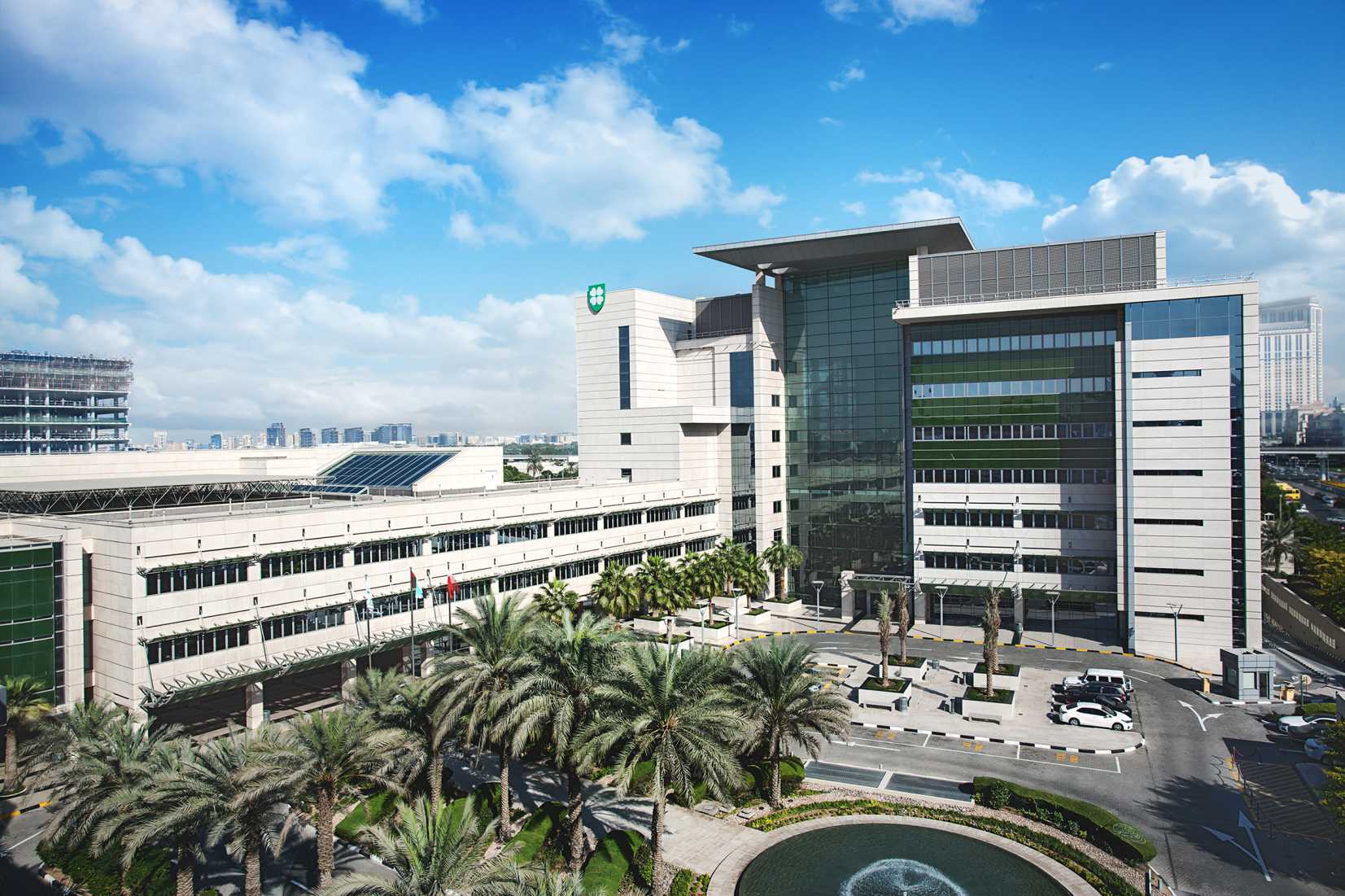
When American Hospital Dubai opened in the mid-1990s, it represented something different entirely – Dubai’s move toward internationally branded private healthcare. The hospital positioned itself around American clinical standards, international accreditation, advanced technology, and multilingual specialist care. At the time, this mattered enormously. Dubai was becoming increasingly global, attracting expatriates, executives, investors, and international businesses who expected healthcare systems comparable to those in Europe or North America.
Over time, it also became closely tied to Dubai’s medical tourism ambitions. Patients began flying into the city not only for business or leisure, but for treatment itself. The hospital’s partnerships, specialist departments, and reputation also played a psychological role. It signalled that Dubai was beginning to compete globally in the sector.
When American Hospital Dubai opened in the mid-1990s, it represented something different entirely – Dubai’s move toward internationally branded private healthcare. The hospital positioned itself around American clinical standards, international accreditation, advanced technology, and multilingual specialist care. At the time, this mattered enormously. Dubai was becoming increasingly global, attracting expatriates, executives, investors, and international businesses who expected healthcare systems comparable to those in Europe or North America.
Over time, it also became closely tied to Dubai’s medical tourism ambitions. Patients began flying into the city not only for business or leisure, but for treatment itself. The hospital’s partnerships, specialist departments, and reputation also played a psychological role. It signalled that Dubai was beginning to compete globally in the sector.
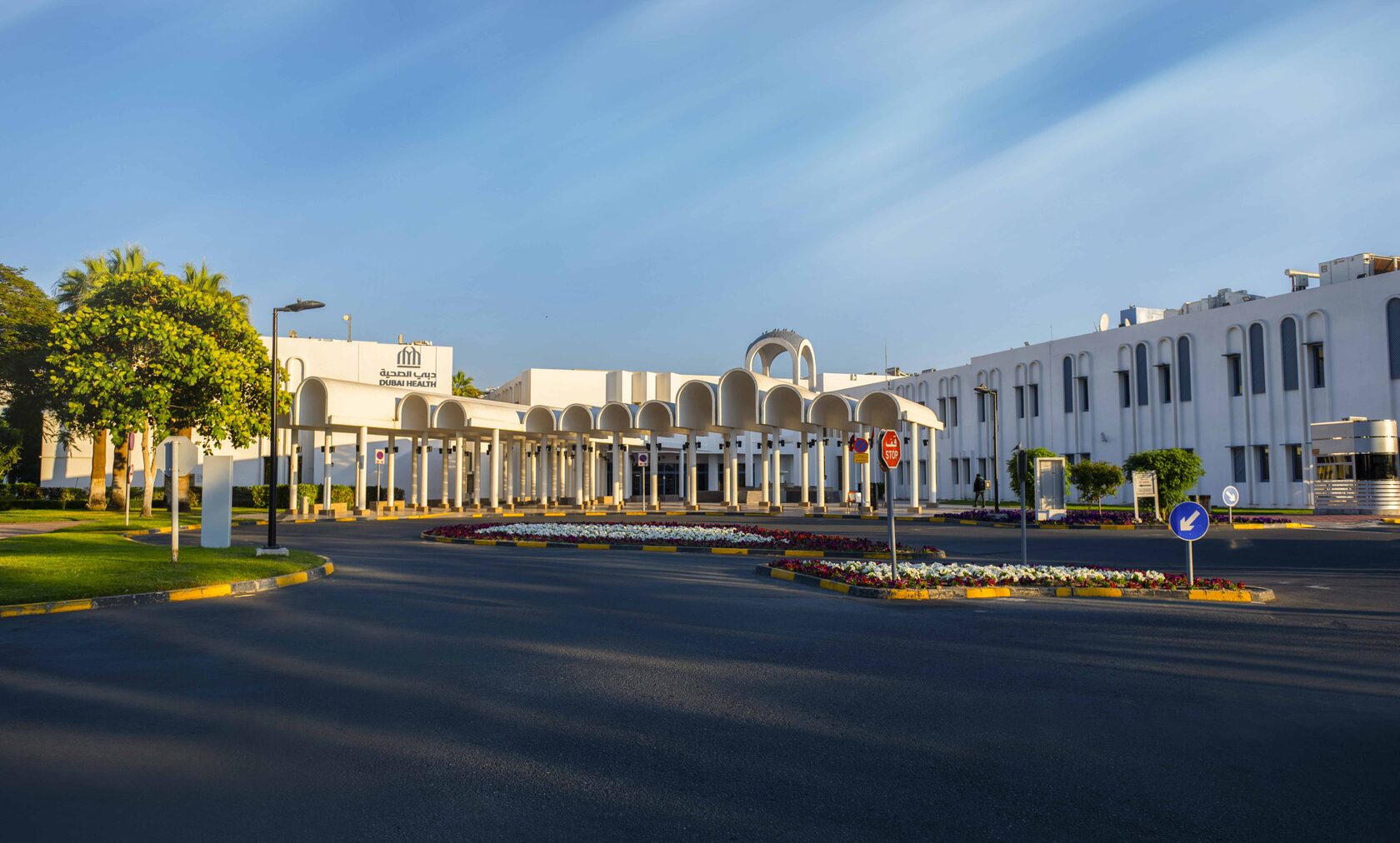
Latifa Hospital became important because it entered family history. Originally known as Al Wasl Hospital before being renamed in honour of Sheikha Latifa bint Hamdan Al Nahyan, the institution became one of the UAE’s leading maternity and children’s hospitals. For decades, countless Dubai residents quite literally began their lives there.
Latifa evolved into one of the country’s most significant centres for women’s and children’s healthcare, combining neonatal care, paediatrics, surgery, and specialist treatment under one institution. But emotionally, its place in the city feels different from the others. Rashid is associated with urgency. Dubai Hospital with public continuity. American Hospital with international healthcare. Latifa is associated with family memory. And that matters more than statistics sometimes do.
Latifa evolved into one of the country’s most significant centres for women’s and children’s healthcare, combining neonatal care, paediatrics, surgery, and specialist treatment under one institution. But emotionally, its place in the city feels different from the others. Rashid is associated with urgency. Dubai Hospital with public continuity. American Hospital with international healthcare. Latifa is associated with family memory. And that matters more than statistics sometimes do.