

How Careem Became a Regional Habit
If you land in Dubai with a suitcase, a bit of jet lag and zero idea how anything works, there is a good chance your first local friend will be green and named Careem. Open the app and suddenly the country starts to make sense. The car from the airport. The first grocery delivery when you realise your new apartment has exactly one fork. Those four pizzas for you welcome party. For many newcomers, Careem is the unofficial onboarding system for life in the UAE.
Careem was born in Dubai in 2012, created by former McKinsey consultants Mudassir Sheikha and Magnus Olsson, later joined by Saudi entrepreneur Abdulla Elyas. It began in a modest way as a simple website for corporate car bookings and expanded into everyday rides, quietly gaining cities one by one. From the start it was unmistakably a UAE-grown project, shaped in partnership with Dubai’s Roads and Transport Authority and tested on a population constantly on the move, tech-savvy, and juggling airport runs and office logistics.
By 2018, Careem was active across the Middle East, North Africa and Pakistan, having raised hundreds of millions of dollars from regional powerhouses such as STC Ventures, Al Tayyar Travel Group, Abraaj and Kingdom Holding, as well as global investors like Rakuten and Didi Chuxing. The company became the region’s first genuine tech unicorn, valued at about US$1 billion by 2016 and roughly US$2 billion by 2018, a milestone that signalled the beginning of a new chapter for Gulf-born technology.
If you land in Dubai with a suitcase, a bit of jet lag and zero idea how anything works, there is a good chance your first local friend will be green and named Careem. Open the app and suddenly the country starts to make sense. The car from the airport. The first grocery delivery when you realise your new apartment has exactly one fork. Those four pizzas for you welcome party. For many newcomers, Careem is the unofficial onboarding system for life in the UAE.
Careem was born in Dubai in 2012, created by former McKinsey consultants Mudassir Sheikha and Magnus Olsson, later joined by Saudi entrepreneur Abdulla Elyas. It began in a modest way as a simple website for corporate car bookings and expanded into everyday rides, quietly gaining cities one by one. From the start it was unmistakably a UAE-grown project, shaped in partnership with Dubai’s Roads and Transport Authority and tested on a population constantly on the move, tech-savvy, and juggling airport runs and office logistics.
By 2018, Careem was active across the Middle East, North Africa and Pakistan, having raised hundreds of millions of dollars from regional powerhouses such as STC Ventures, Al Tayyar Travel Group, Abraaj and Kingdom Holding, as well as global investors like Rakuten and Didi Chuxing. The company became the region’s first genuine tech unicorn, valued at about US$1 billion by 2016 and roughly US$2 billion by 2018, a milestone that signalled the beginning of a new chapter for Gulf-born technology.
The shift from regional favourite to global headline came in 2019, when Uber announced it would acquire Careem for US$3.1 billion — US$1.4 billion in cash and US$1.7 billion in convertible notes. Analysts immediately called it one of the most significant tech deals the Middle East had ever seen, proof that the Gulf was no longer only a source of capital but a producer of tech companies valuable enough for global players to buy. Importantly, Careem was not absorbed or erased; it became a wholly owned subsidiary, kept its brand, kept its app, and remained run from Dubai. Any newcomer opening the app today would have no clue the company ever changed hands.
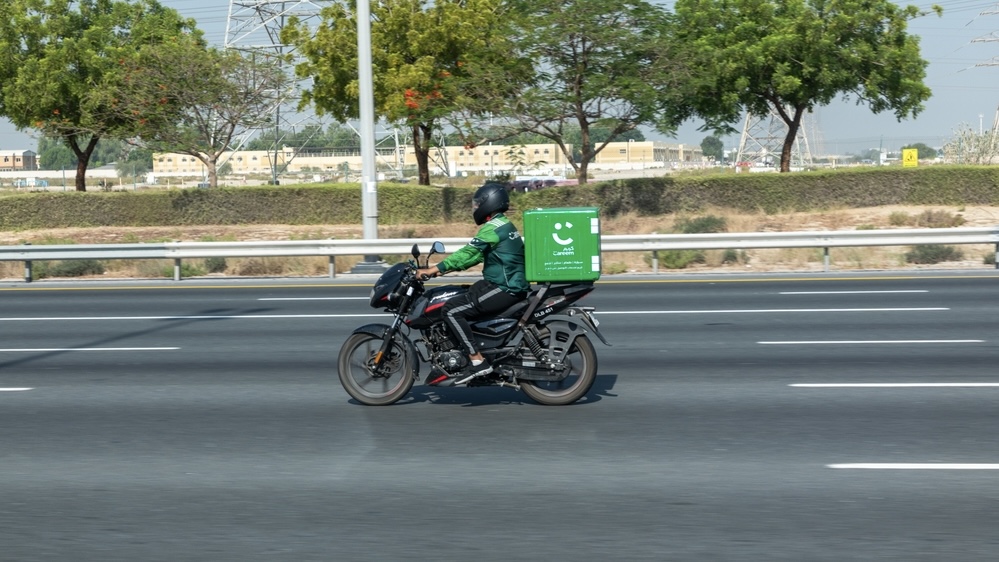
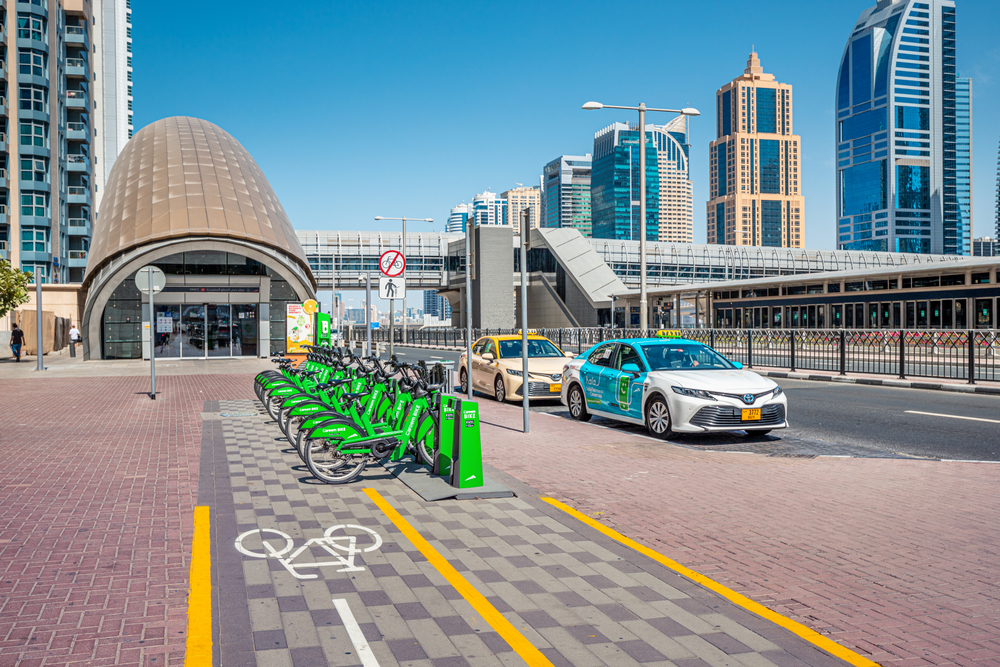
In the years that followed, Careem evolved again, this time into what it calls “the everything app” for the region. In Dubai alone, it now covers rides, Careem Bike stations, food delivery, groceries, convenience items through its Quik service, laundry, home cleaning, mobile top-ups, bill payments and international remittances. By 2023, it was offering more than twenty digital services in the UAE and operating in over seventy cities across ten countries, from Morocco to Pakistan. Since its founding, more than 3.5 million Captains — its drivers and delivery partners — have earned income through the platform, while over 75 million customers have depended on it to move, eat, shop and pay.
The company’s data reads like a portrait of regional life. In a single year it facilitated over 70 million ride-hailing trips, covering more than 800 million kilometres. It delivered more than a million burgers. One customer in Saudi Arabia managed more than 1,400 food orders in twelve months. Its remittance services increasingly act as a financial bridge between the UAE and South Asia, with transfers to India and Pakistan completed in seconds. These details sit beside a serious business reality: Careem’s estimated annual revenue falls within the US$100–500 million range, and it raised roughly US$772 million before its acquisition.
In the years that followed, Careem evolved again, this time into what it calls “the everything app” for the region. In Dubai alone, it now covers rides, Careem Bike stations, food delivery, groceries, convenience items through its Quik service, laundry, home cleaning, mobile top-ups, bill payments and international remittances. By 2023, it was offering more than twenty digital services in the UAE and operating in over seventy cities across ten countries, from Morocco to Pakistan. Since its founding, more than 3.5 million Captains — its drivers and delivery partners — have earned income through the platform, while over 75 million customers have depended on it to move, eat, shop and pay.
The company’s data reads like a portrait of regional life. In a single year it facilitated over 70 million ride-hailing trips, covering more than 800 million kilometres. It delivered more than a million burgers. One customer in Saudi Arabia managed more than 1,400 food orders in twelve months. Its remittance services increasingly act as a financial bridge between the UAE and South Asia, with transfers to India and Pakistan completed in seconds. These details sit beside a serious business reality: Careem’s estimated annual revenue falls within the US$100–500 million range, and it raised roughly US$772 million before its acquisition.
A major structural shift came in 2023 when e& invested US$400 million to acquire just over half of Careem’s Super App business. This created a new entity, Careem Technologies, majority-owned by e& but with Uber, the founders and early colleagues retaining minority stakes. Careem remains private; it has not gone public, and any trading of its pre-IPO shares happens only in private secondary transactions.
Much of Careem’s success is inseparable from the UAE’s own economic and technological trajectory. Dubai’s regulatory approach allowed ride-hailing to integrate with rather than compete against government transport, setting a model for other markets. The broader national push for digital infrastructure and smart services created an ecosystem where a company like Careem could grow confidently. Its investor base, rich with regional names, showed that Middle Eastern capital was ready to back Middle Eastern ideas. But behind the big numbers, acquisitions and investment rounds, Careem’s real achievement is quieter. It helped turn the UAE — a land of movement, reinvention and constant arrivals — into a place where daily life feels navigable from the moment you touch down.
Much of Careem’s success is inseparable from the UAE’s own economic and technological trajectory. Dubai’s regulatory approach allowed ride-hailing to integrate with rather than compete against government transport, setting a model for other markets. The broader national push for digital infrastructure and smart services created an ecosystem where a company like Careem could grow confidently. Its investor base, rich with regional names, showed that Middle Eastern capital was ready to back Middle Eastern ideas. But behind the big numbers, acquisitions and investment rounds, Careem’s real achievement is quieter. It helped turn the UAE — a land of movement, reinvention and constant arrivals — into a place where daily life feels navigable from the moment you touch down.